
Our Curriculum and Programs
Our curriculum and daily program are guided by the Early Years Learning Framework (EYLF) and are built around play-based learning experiences that integrate children’s interests, strengths, and needs with educators’ intentional teaching, as well as strong family and community partnerships.
Literacy and Language:
We are proud to pilot the Early Language and Literacy Development Index (ELLDI) program, trained and resourced by the Australian Literacy and Numeracy Foundation (ALNF), which supports children’s growth in:
Expressive vocabulary
Phonological awareness and phonics
Comprehension
Oral language (clarity, volume, fluency)
Print conventions
Pre-reading and reading
Pre-writing and writing
Additional literacy initiatives include:
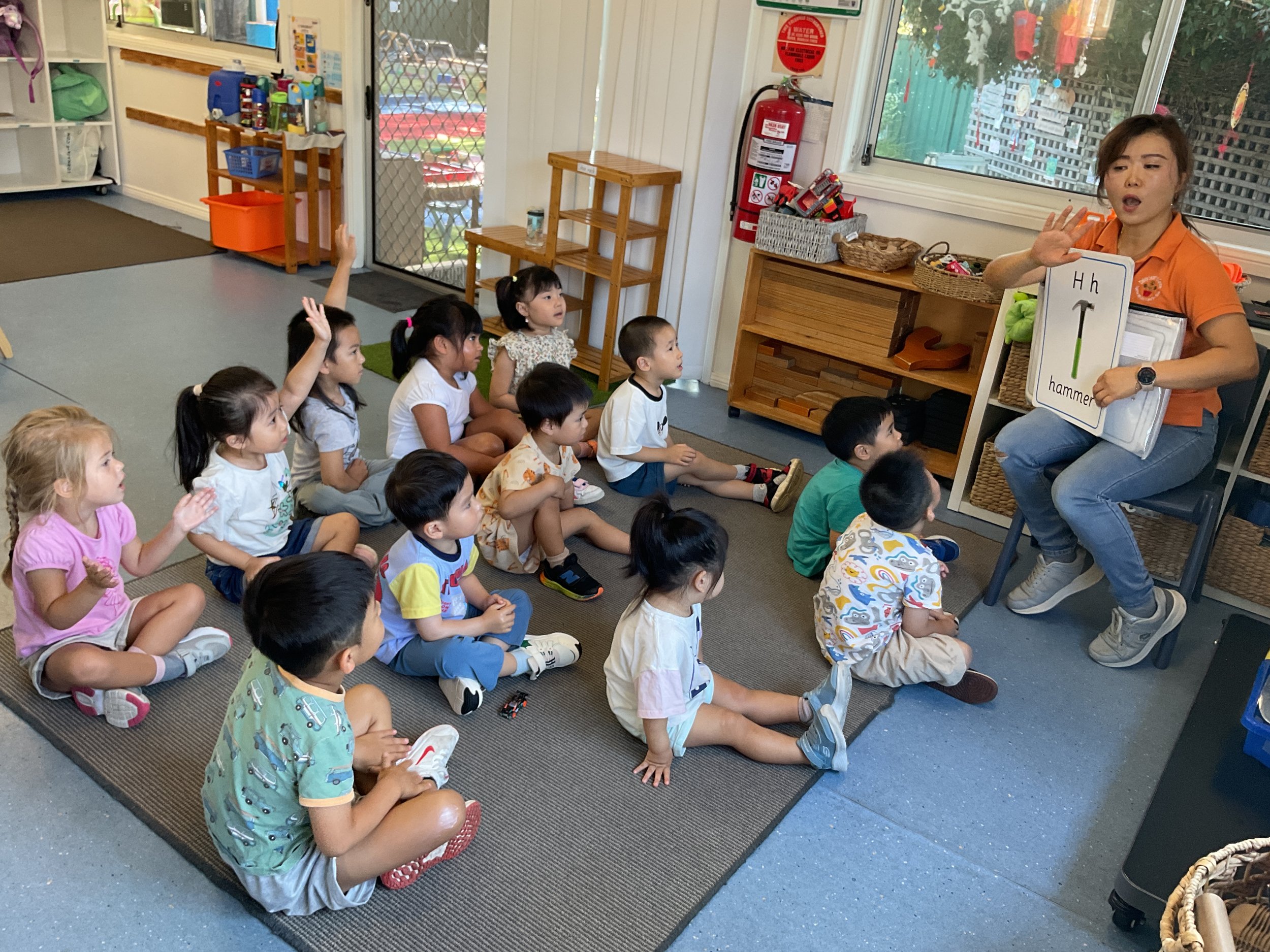
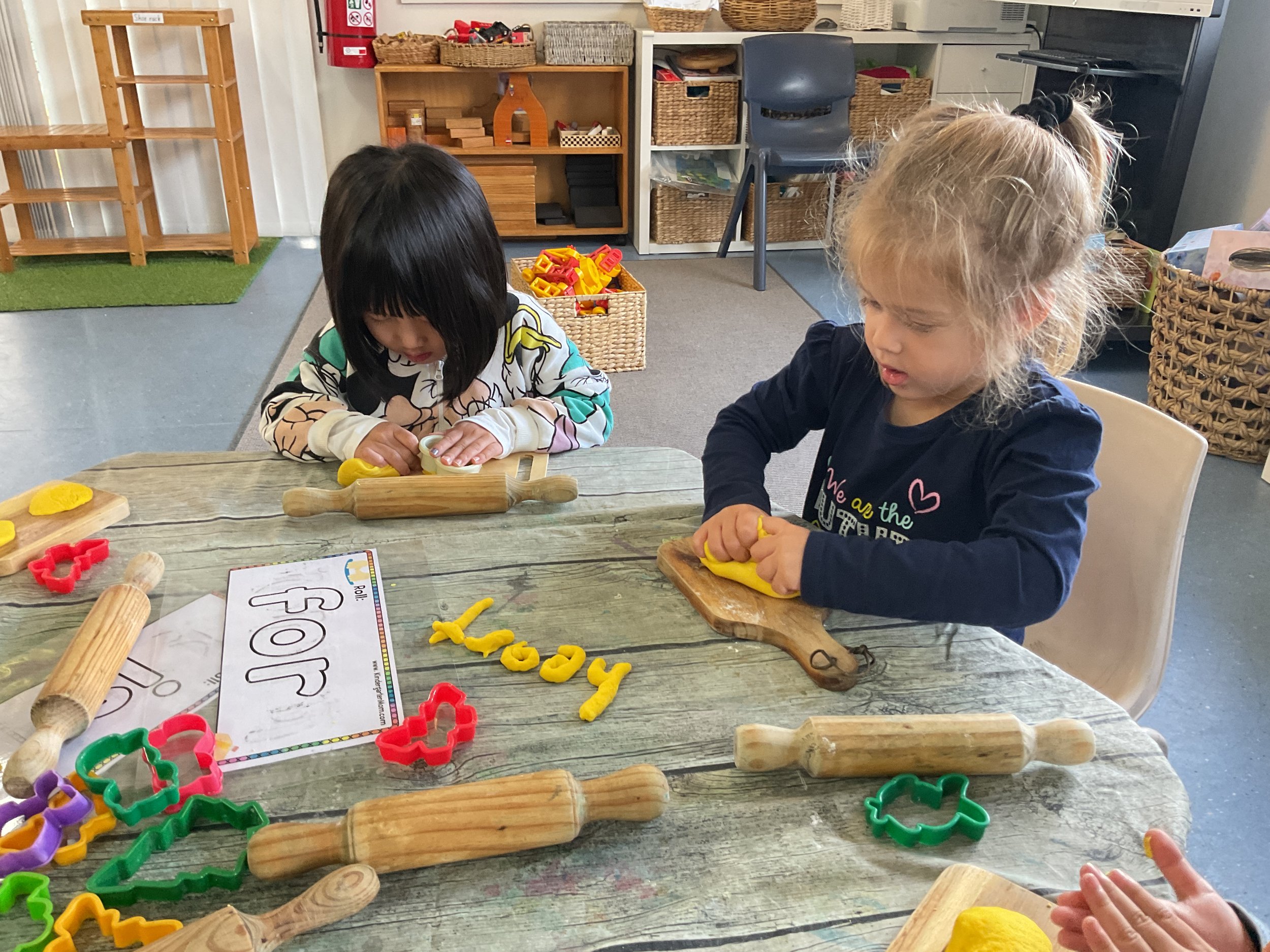
Weekly sound learning, helping children connect phonics with letters and words.
Free fun worksheets for families to use at home, reinforcing weekly sounds/letters and supporting fine motor and concentration skills.
Free Reading Eggs online program for families to engage in children’s phonics and reading development at home.
Weekly News Time, where children share their experiences to build confidence and public speaking skills.
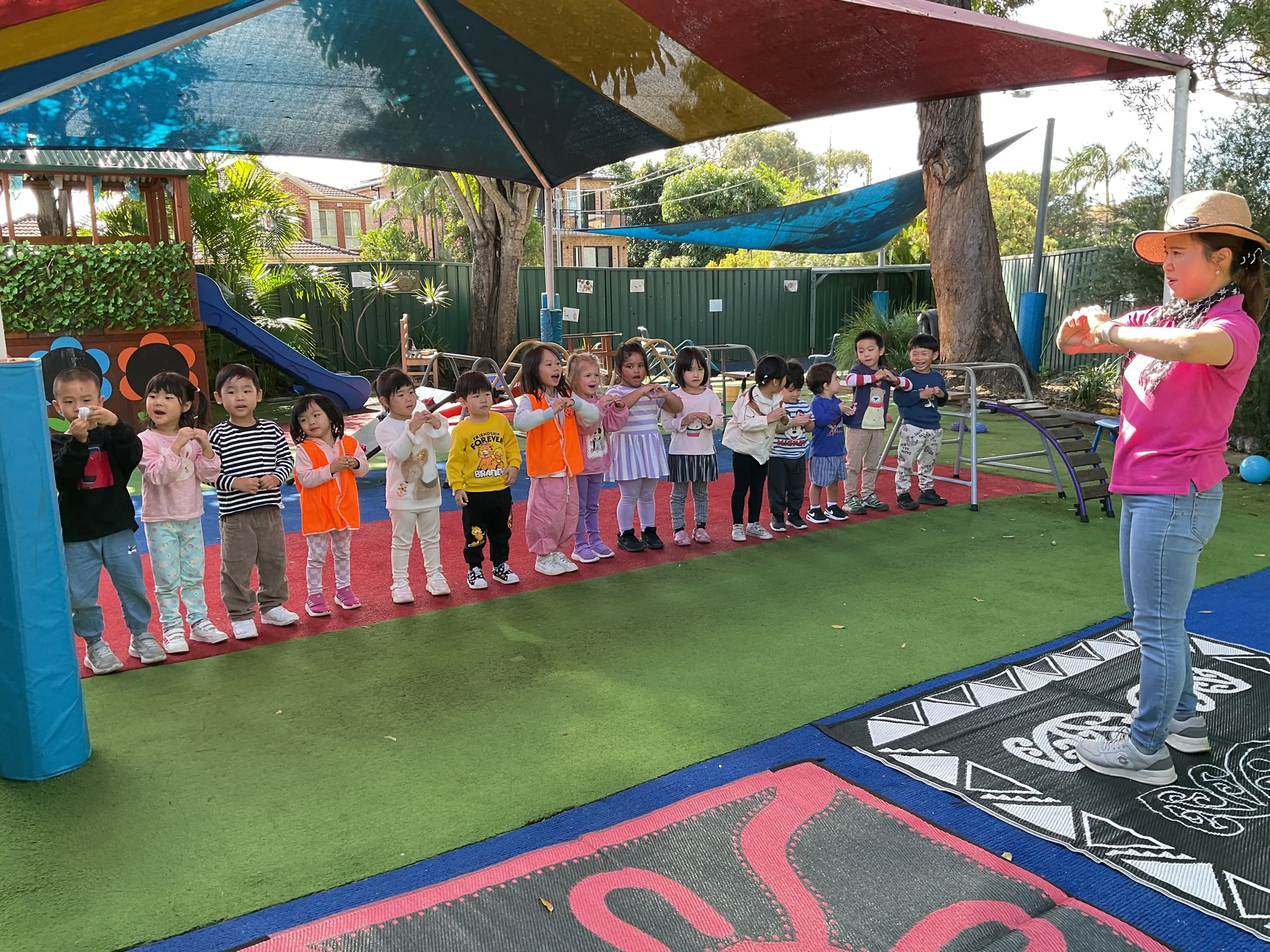
Daily literacy and singing group times of varying sizes to foster language development throughout the day.
Science, Technology, Engineering and Mathematics (STEM):
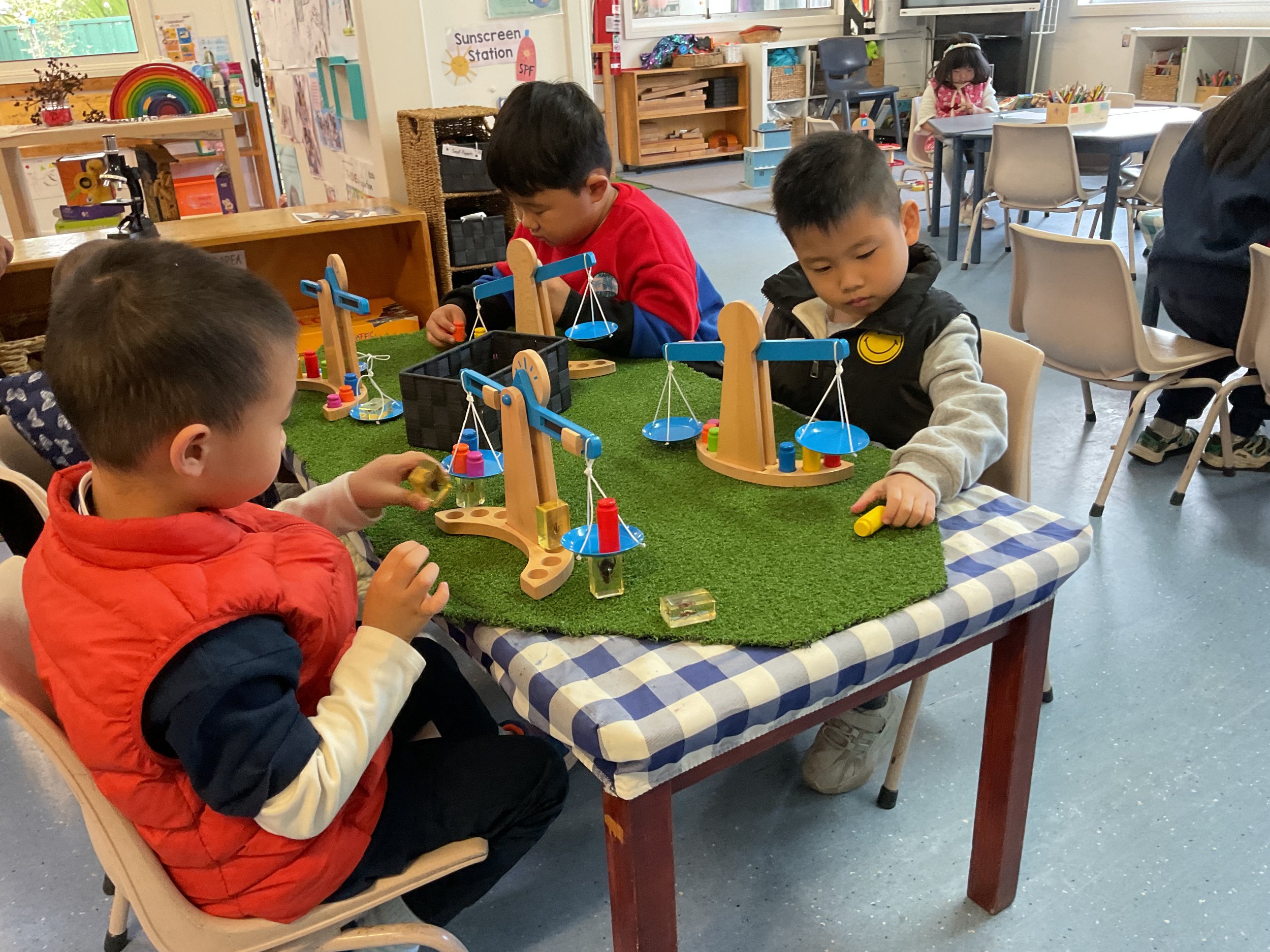
Our STEM experiences are designed to encourage curiosity, problem-solving, and hands-on learning through:
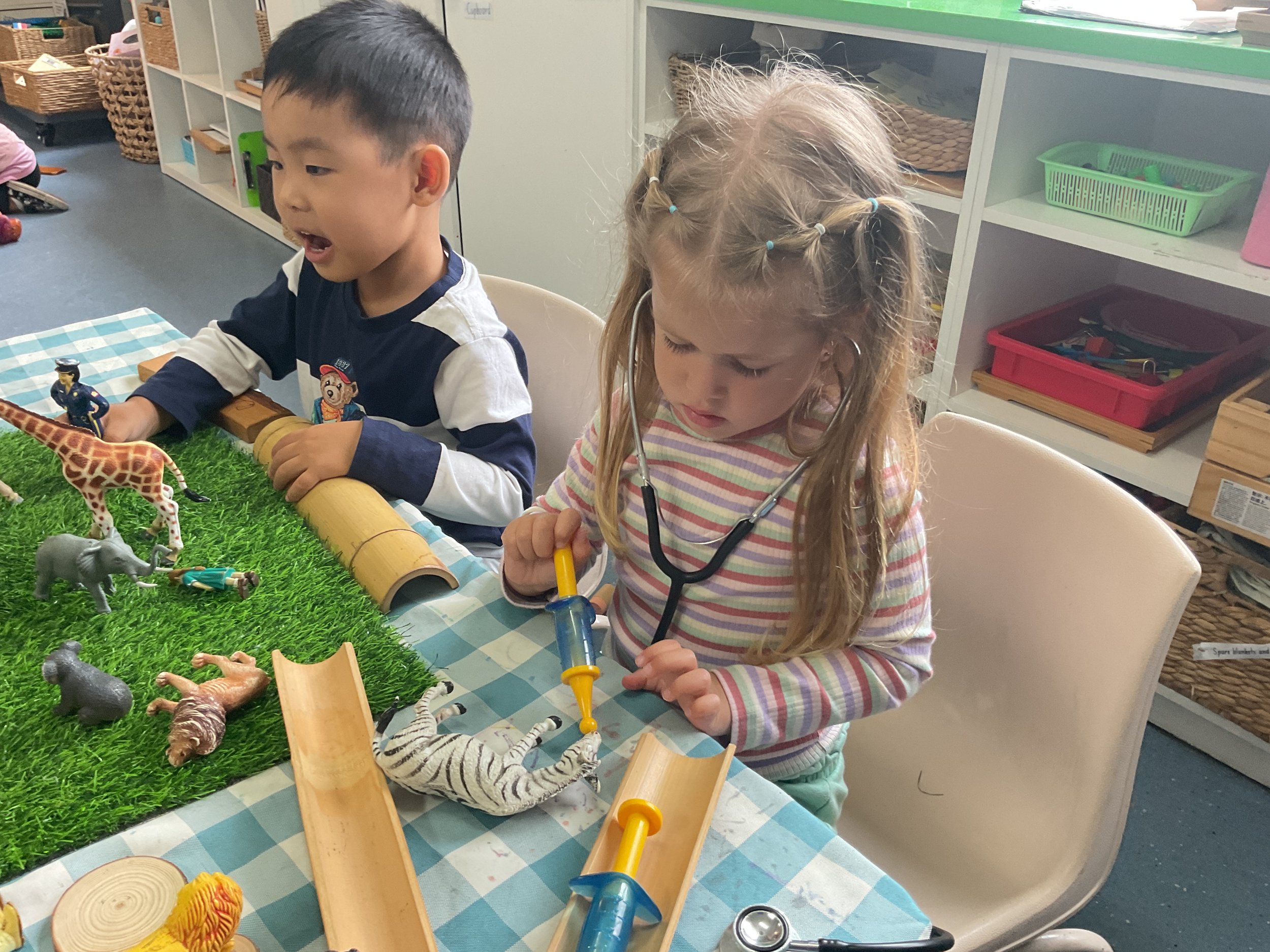
Play-based science experiments exploring concepts such as floating, sinking, dissolving, air, and water.
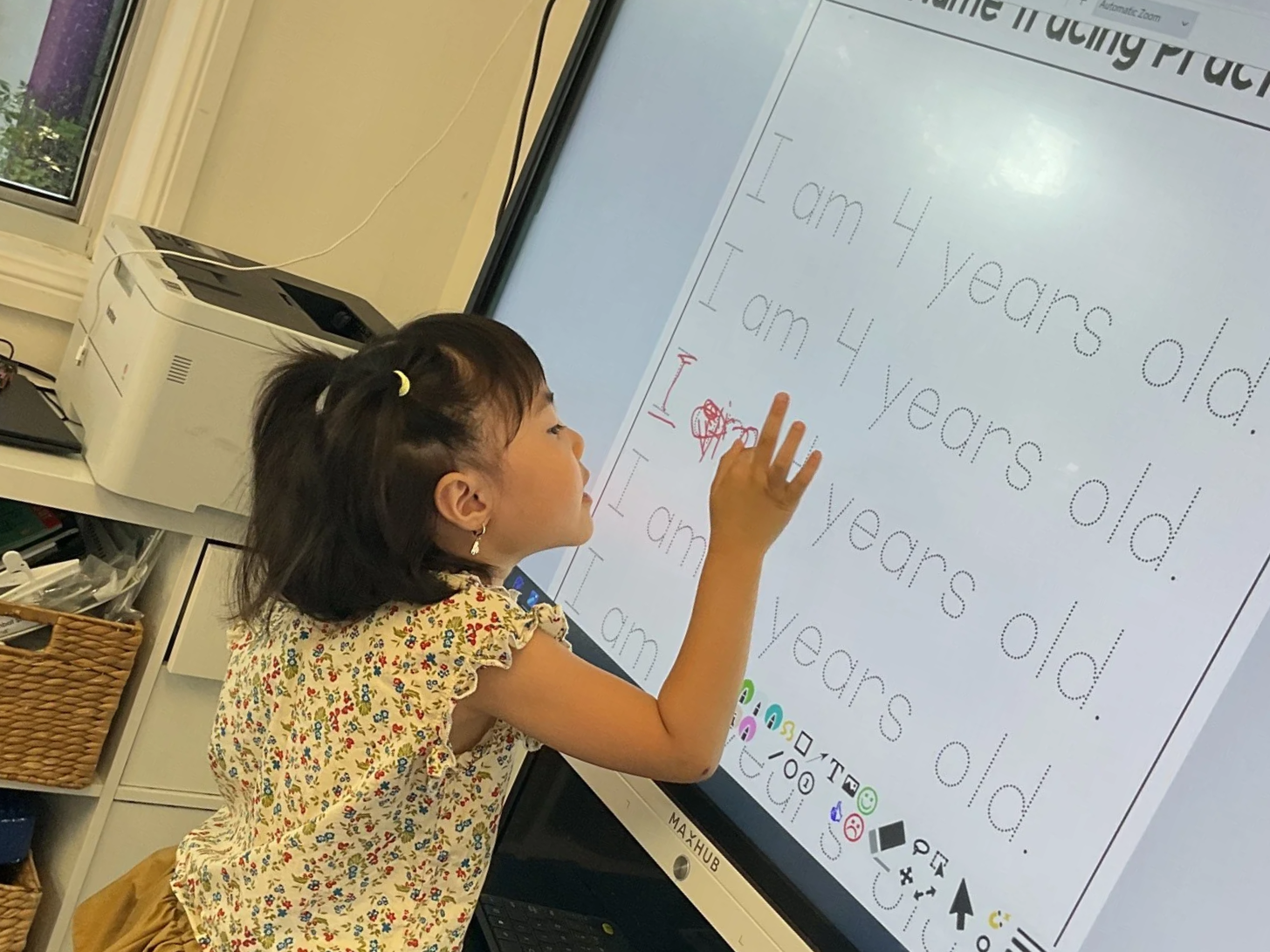
Technology use in daily play and creativity, encouraging digital literacy and innovation.
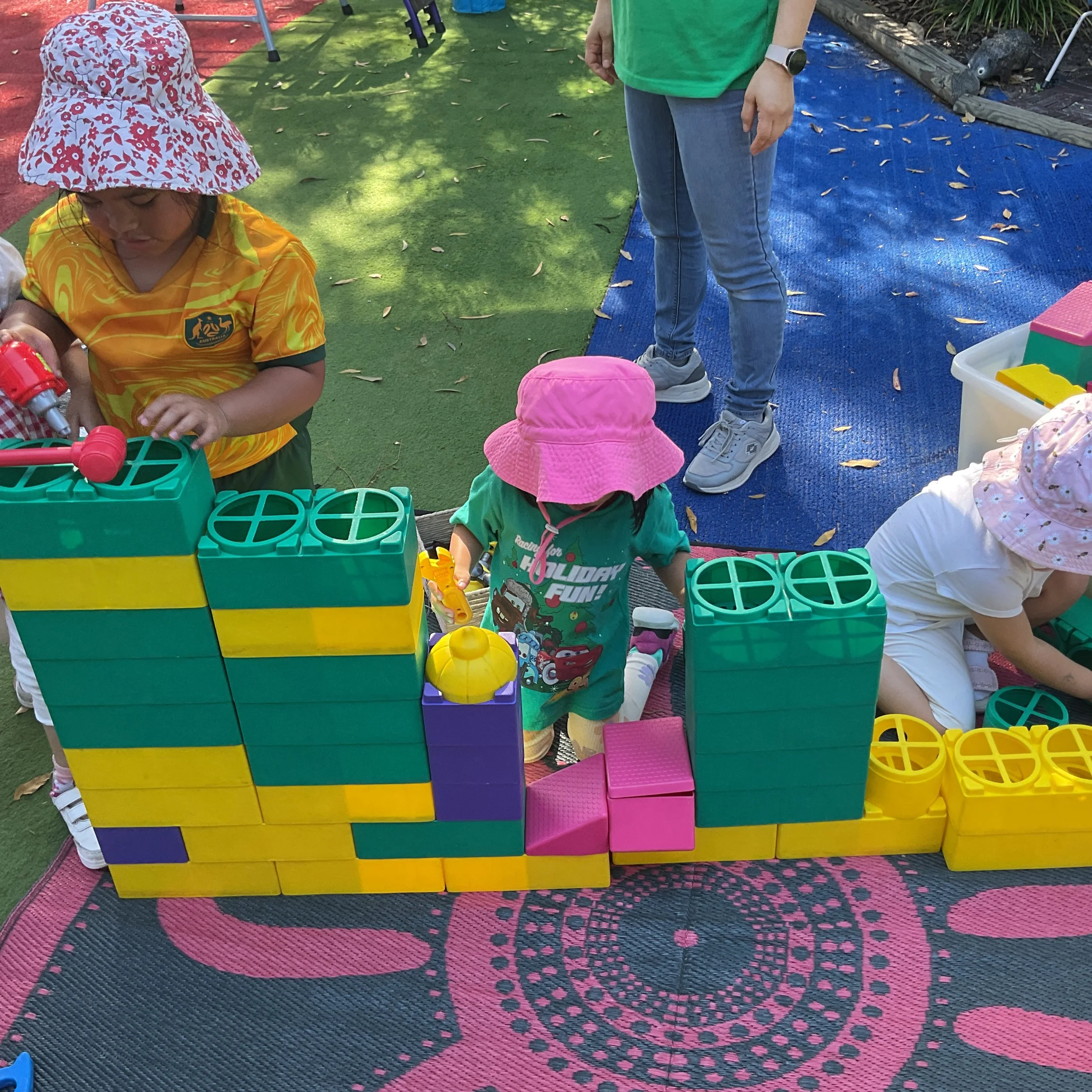
Engineering projects, where children plan, build, and test their ideas.
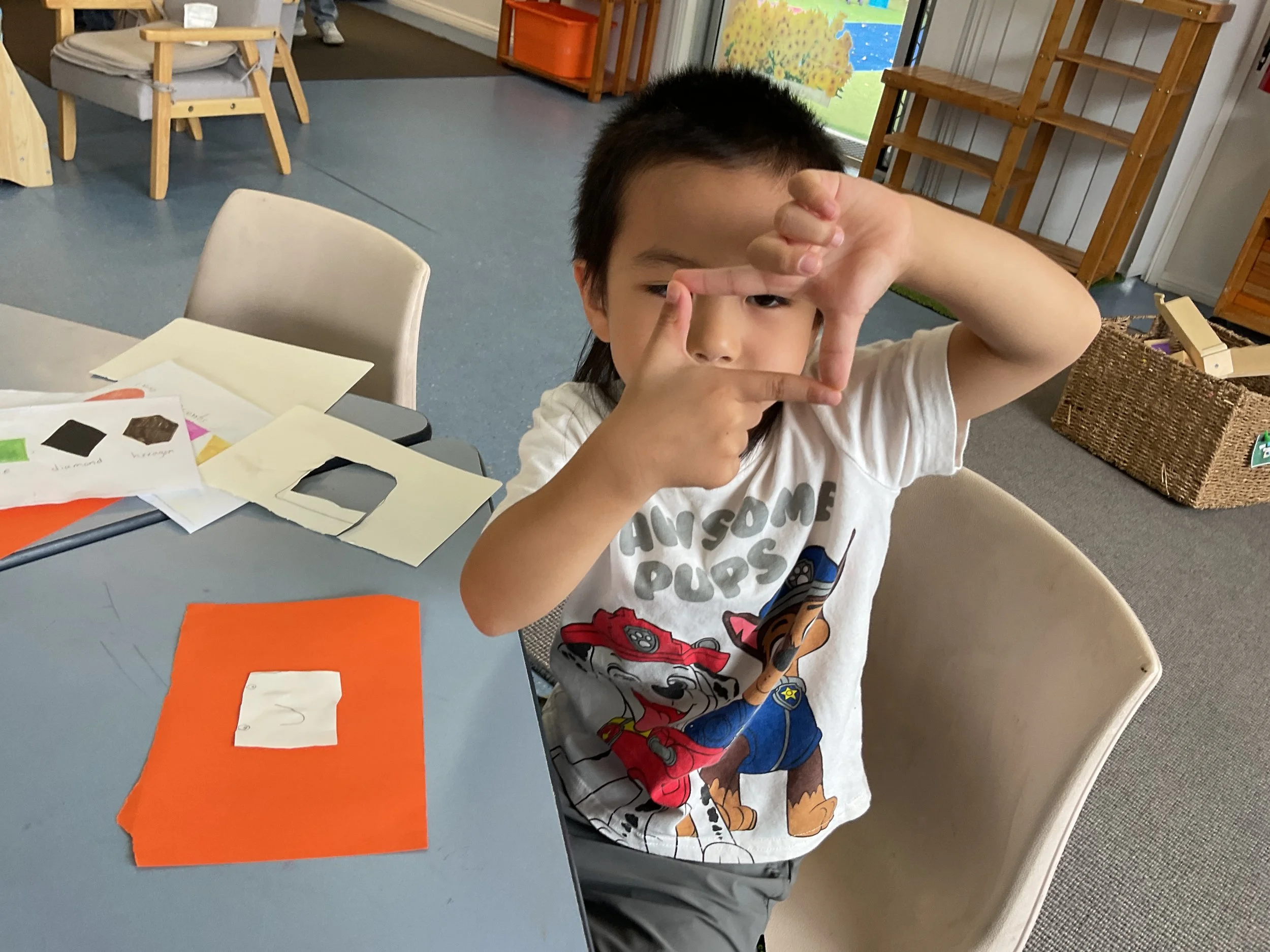
Mathematical learning embedded in everyday routines and play, supporting understanding of numbers, measurement, and patterns.
Fundamental Movement and Dance:
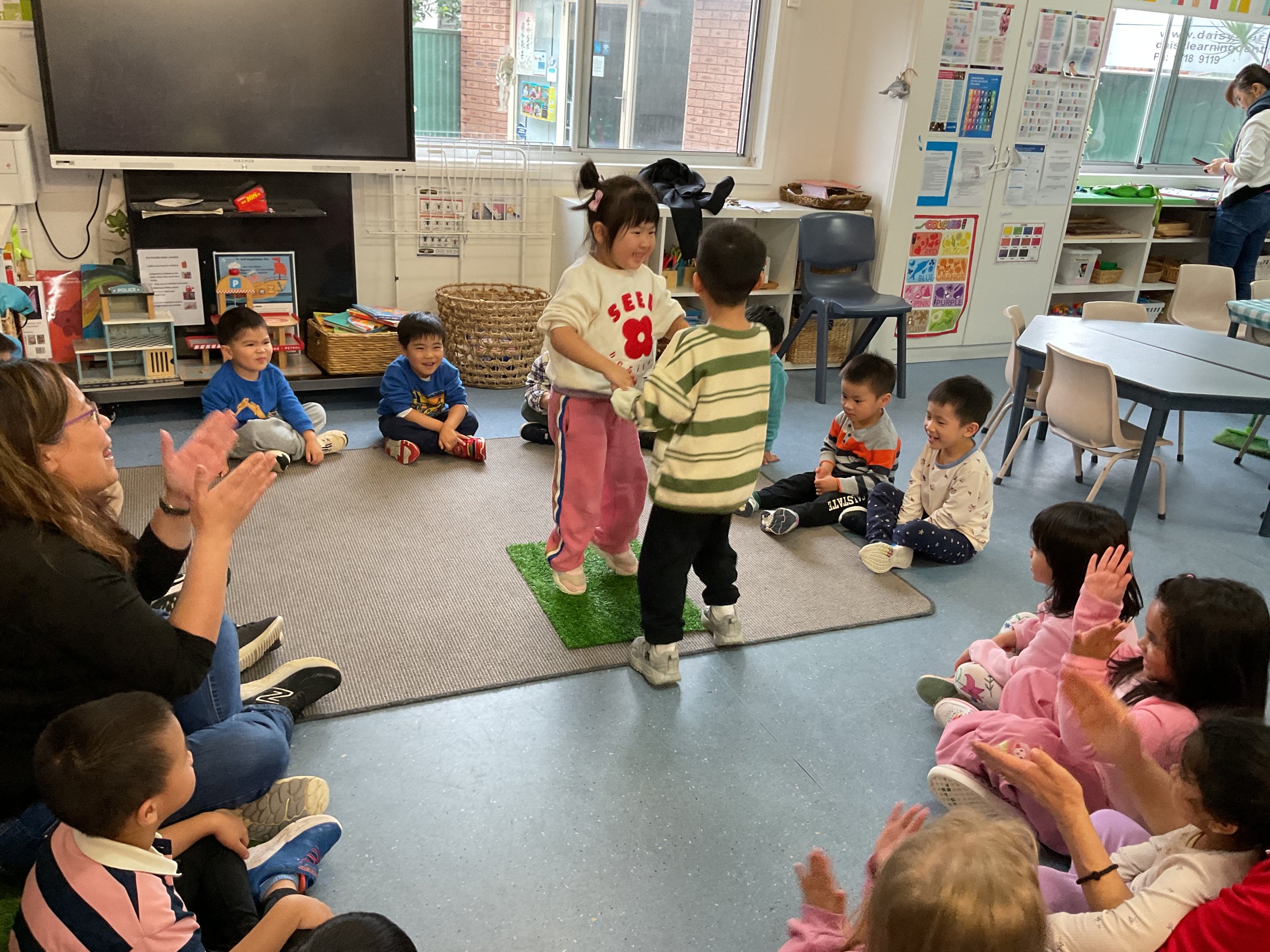
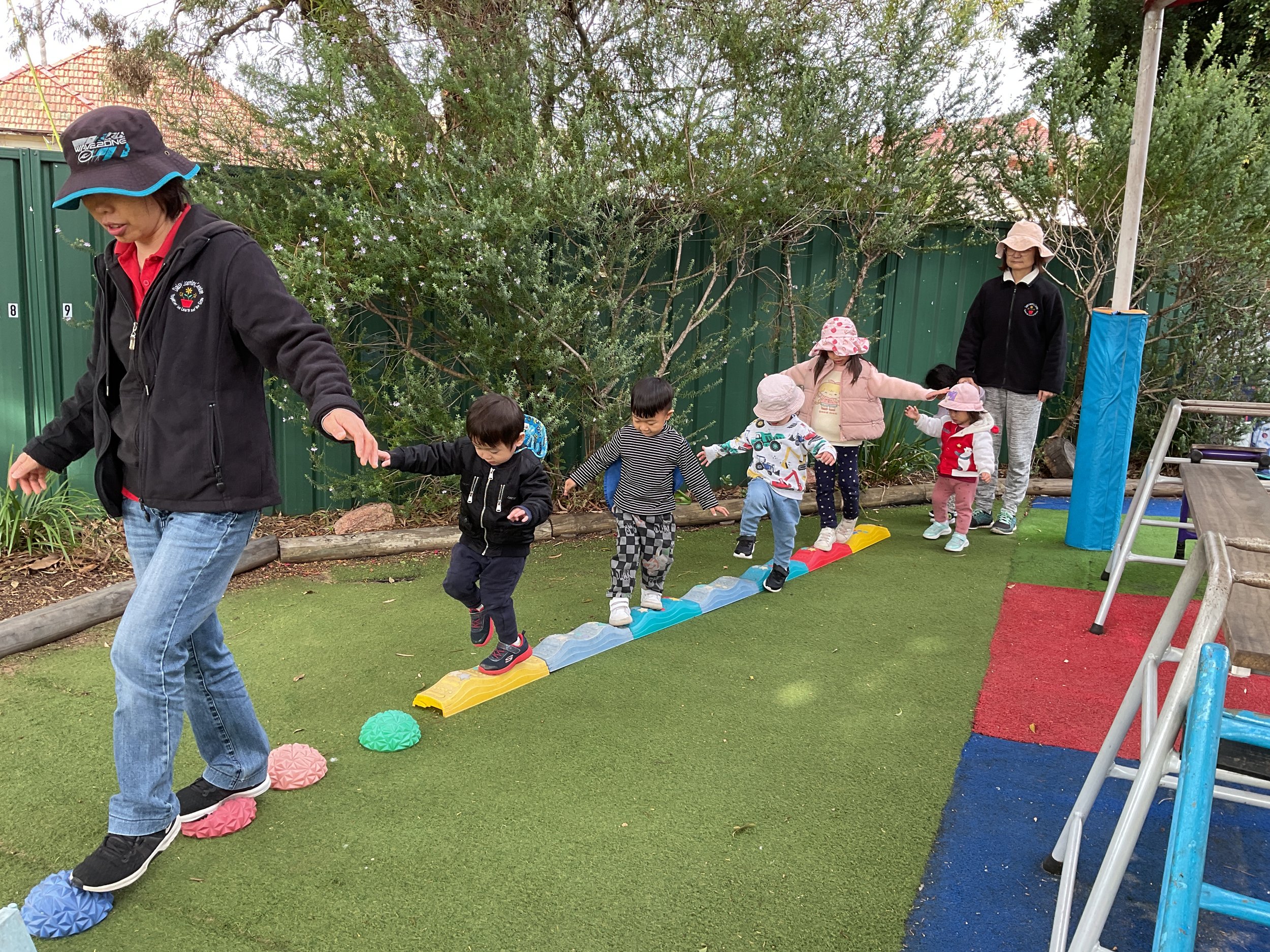
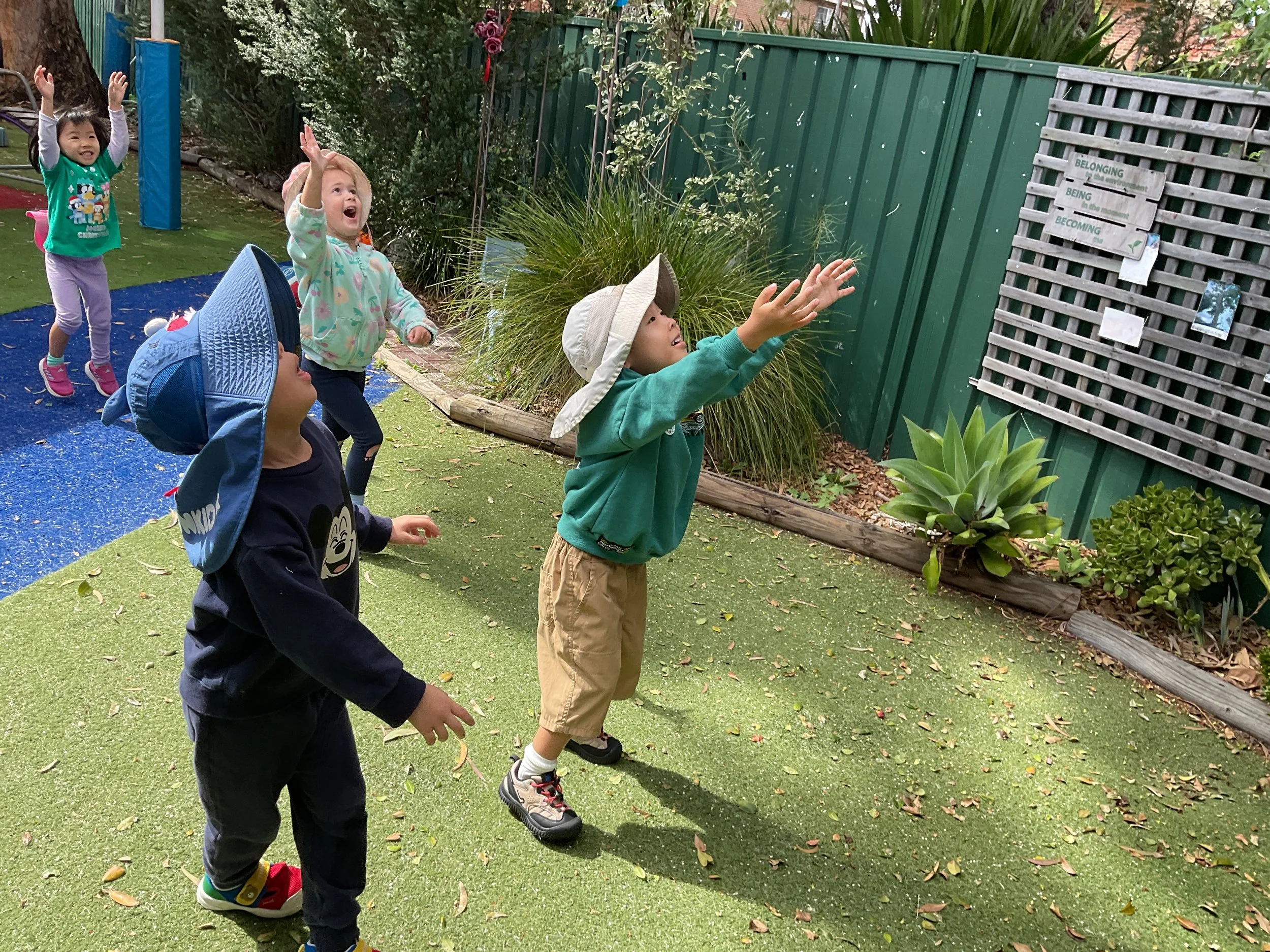
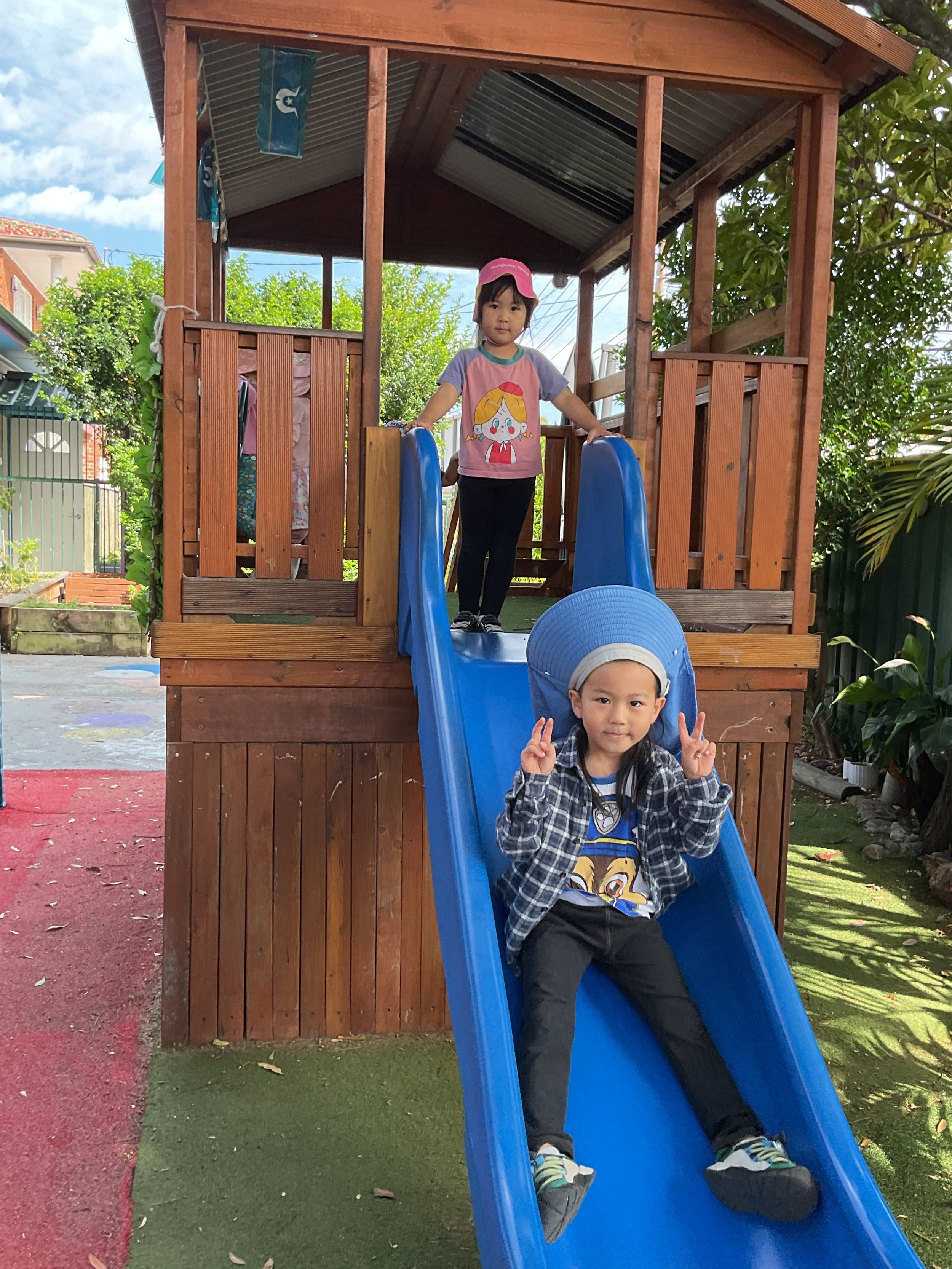
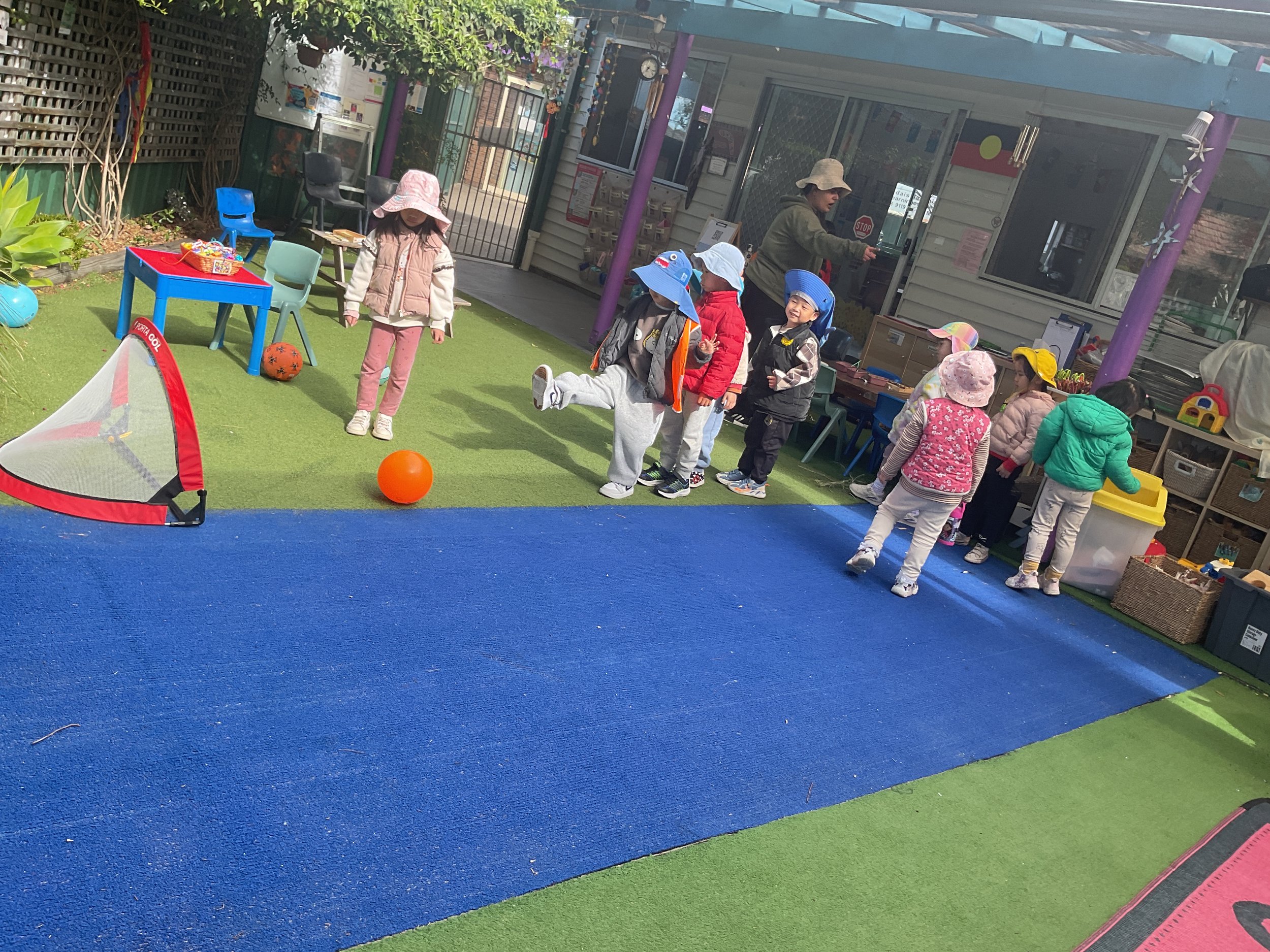
Children practice fundamental movement skills daily, including jumping, sliding, skipping, throwing, catching, and galloping.
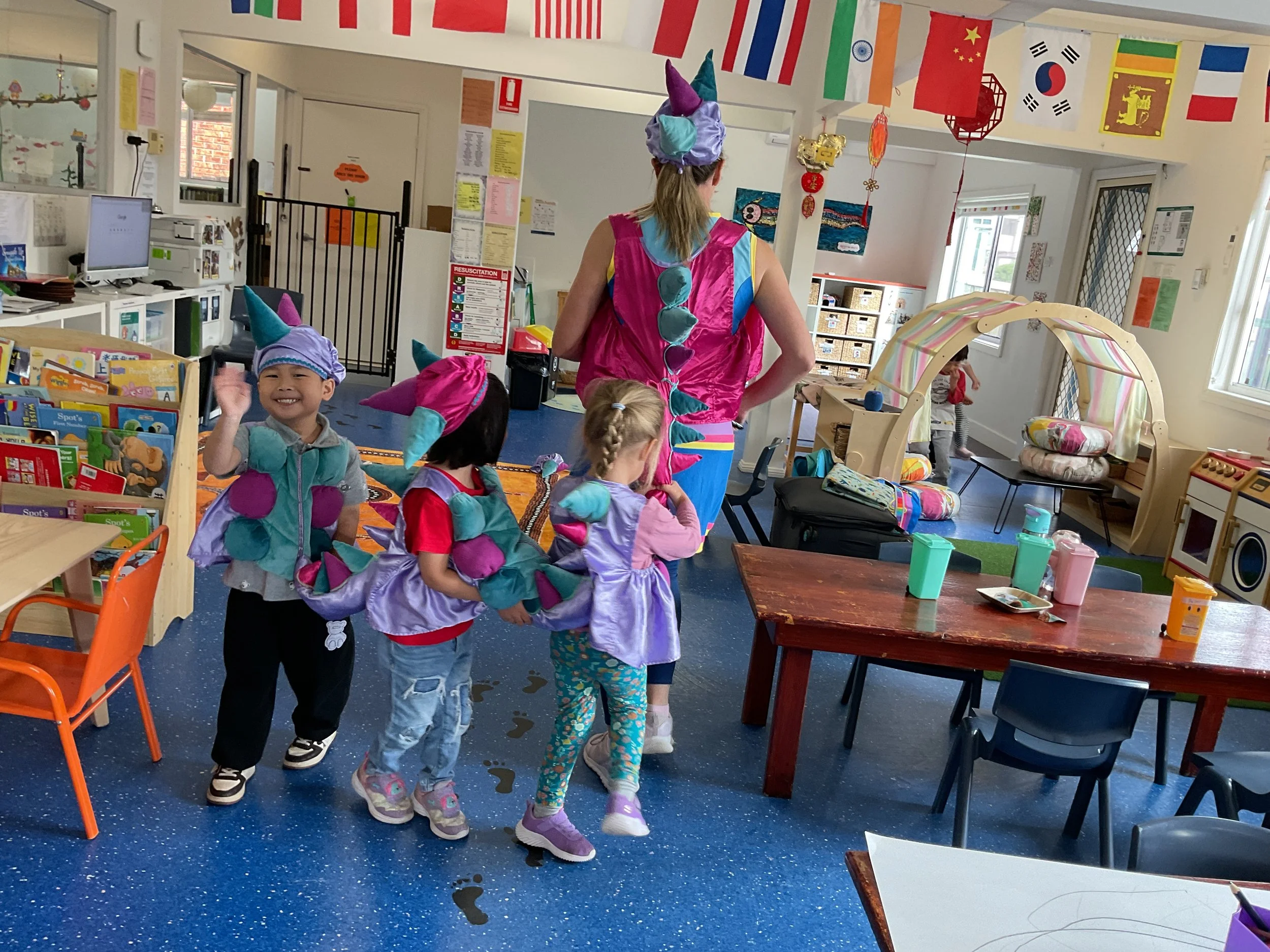
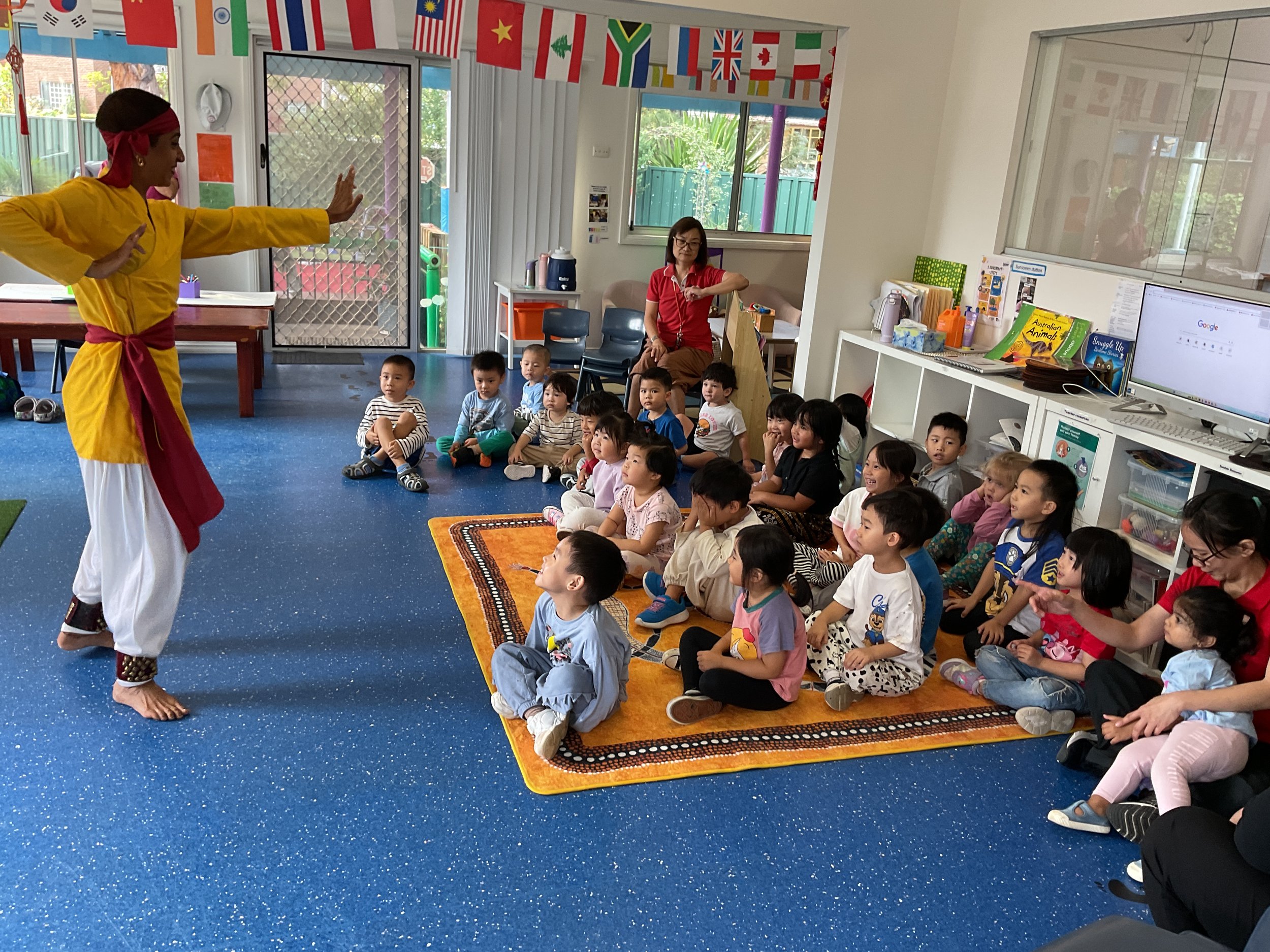
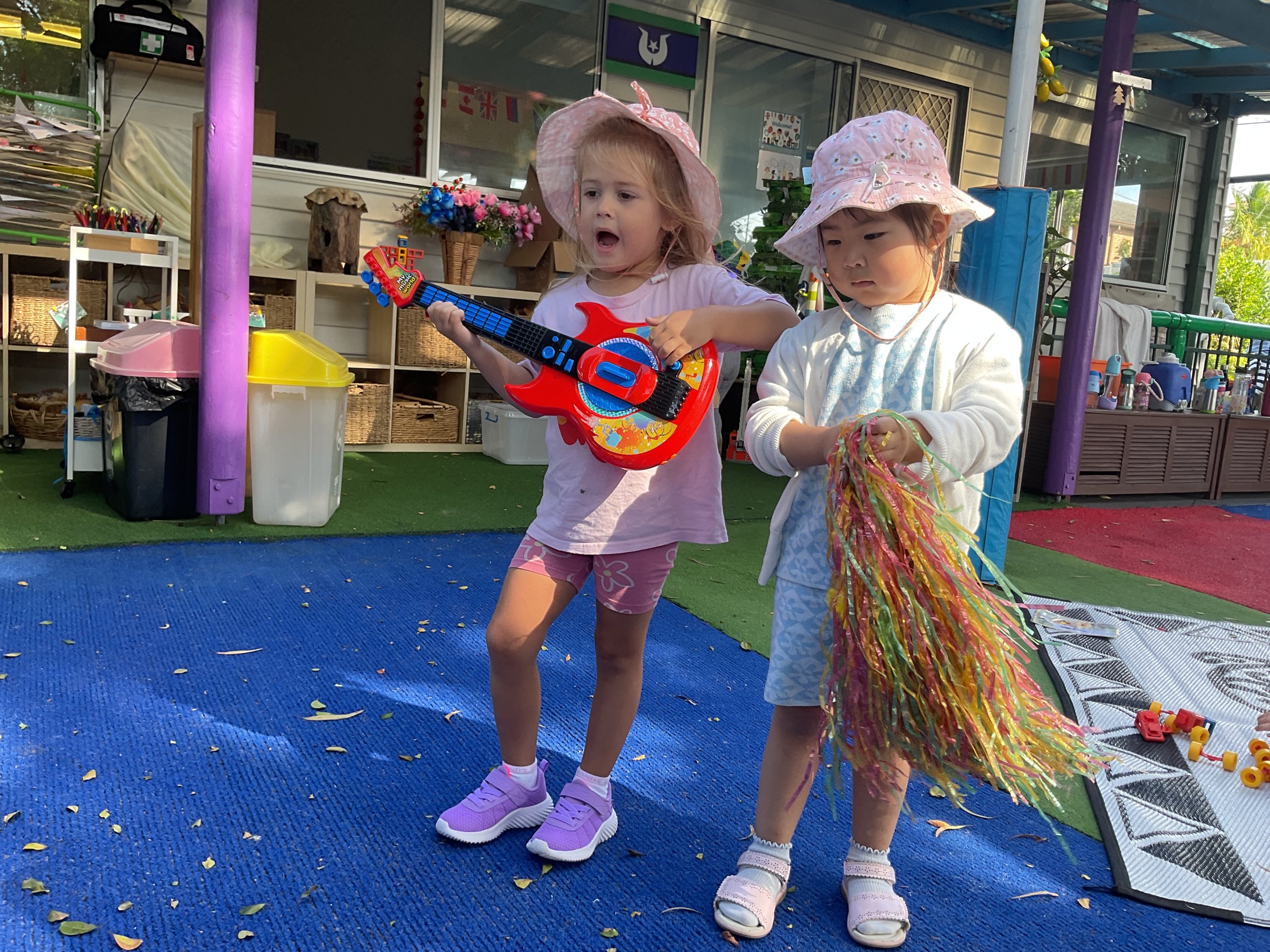
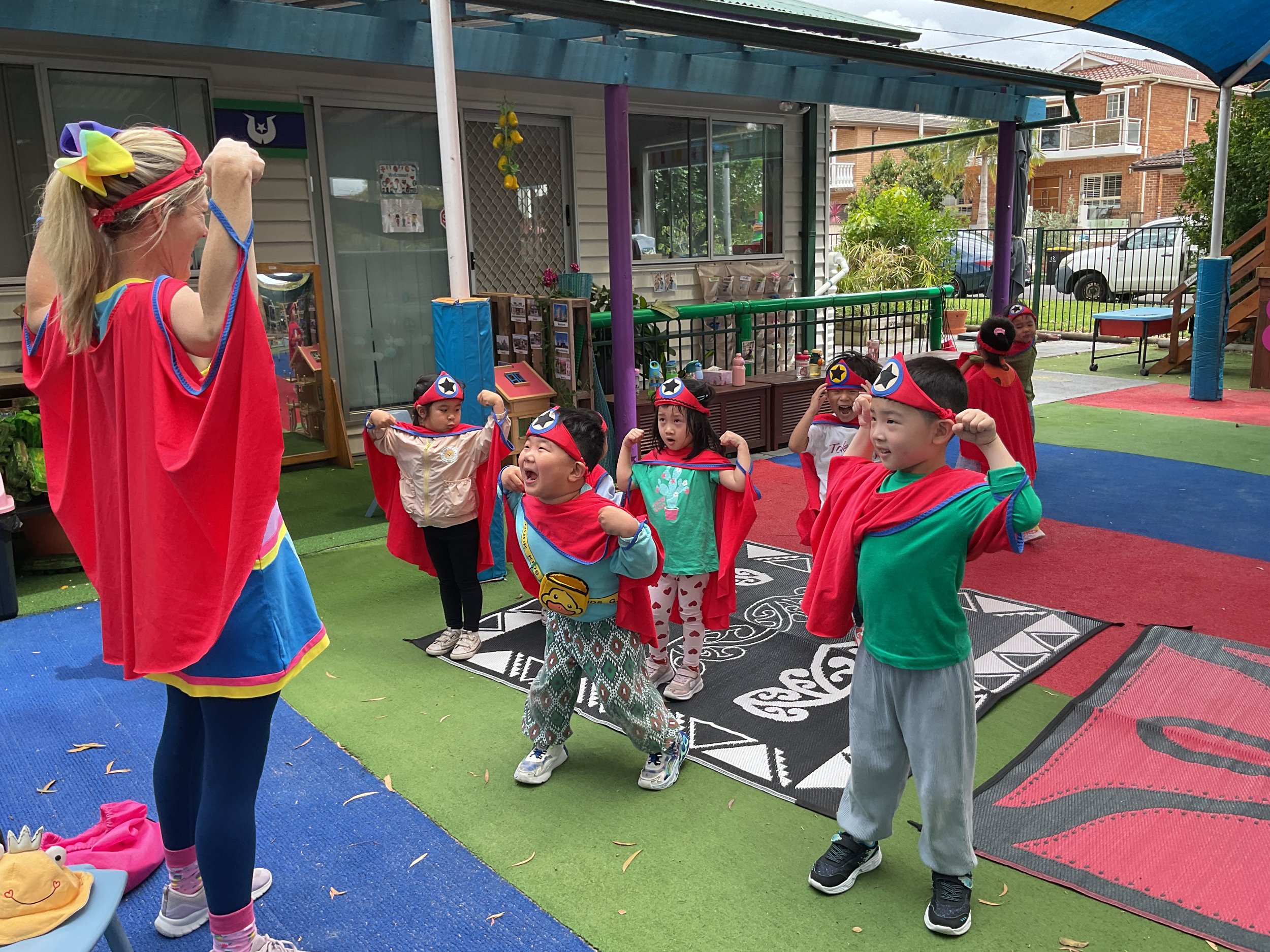
Weekly Happy Feet classes offer creative dance and music experiences with engaging, handmade costumes.
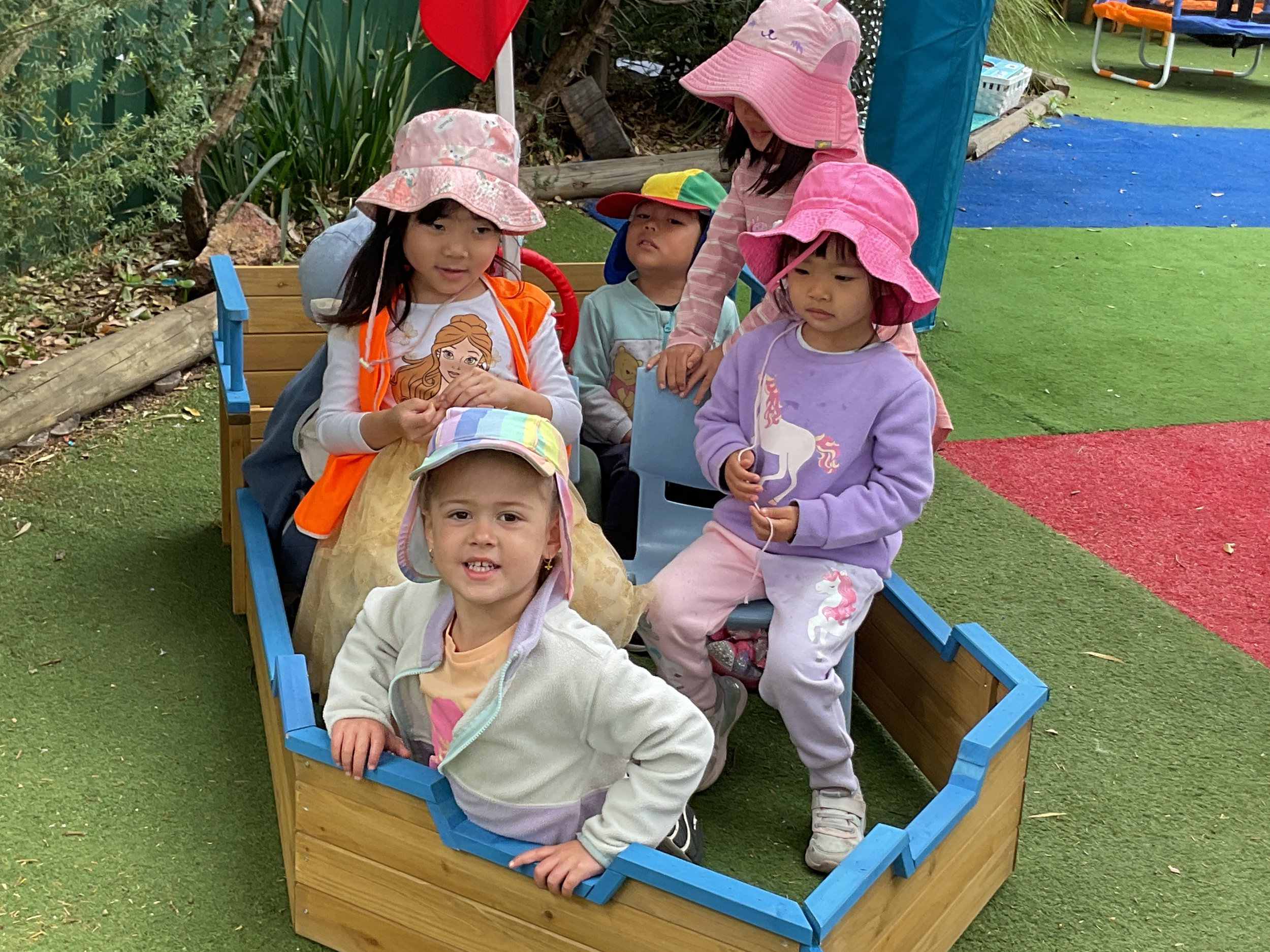
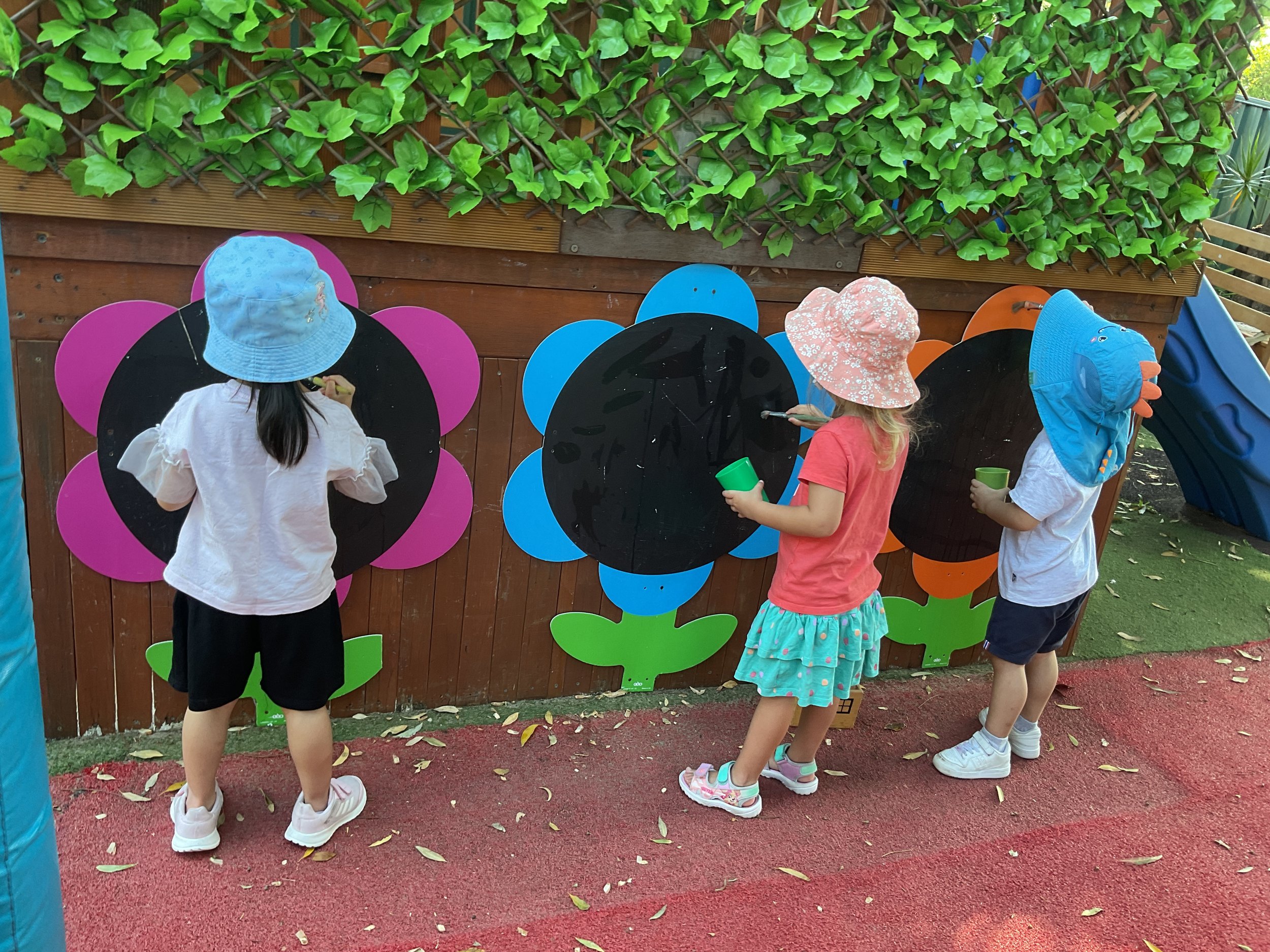
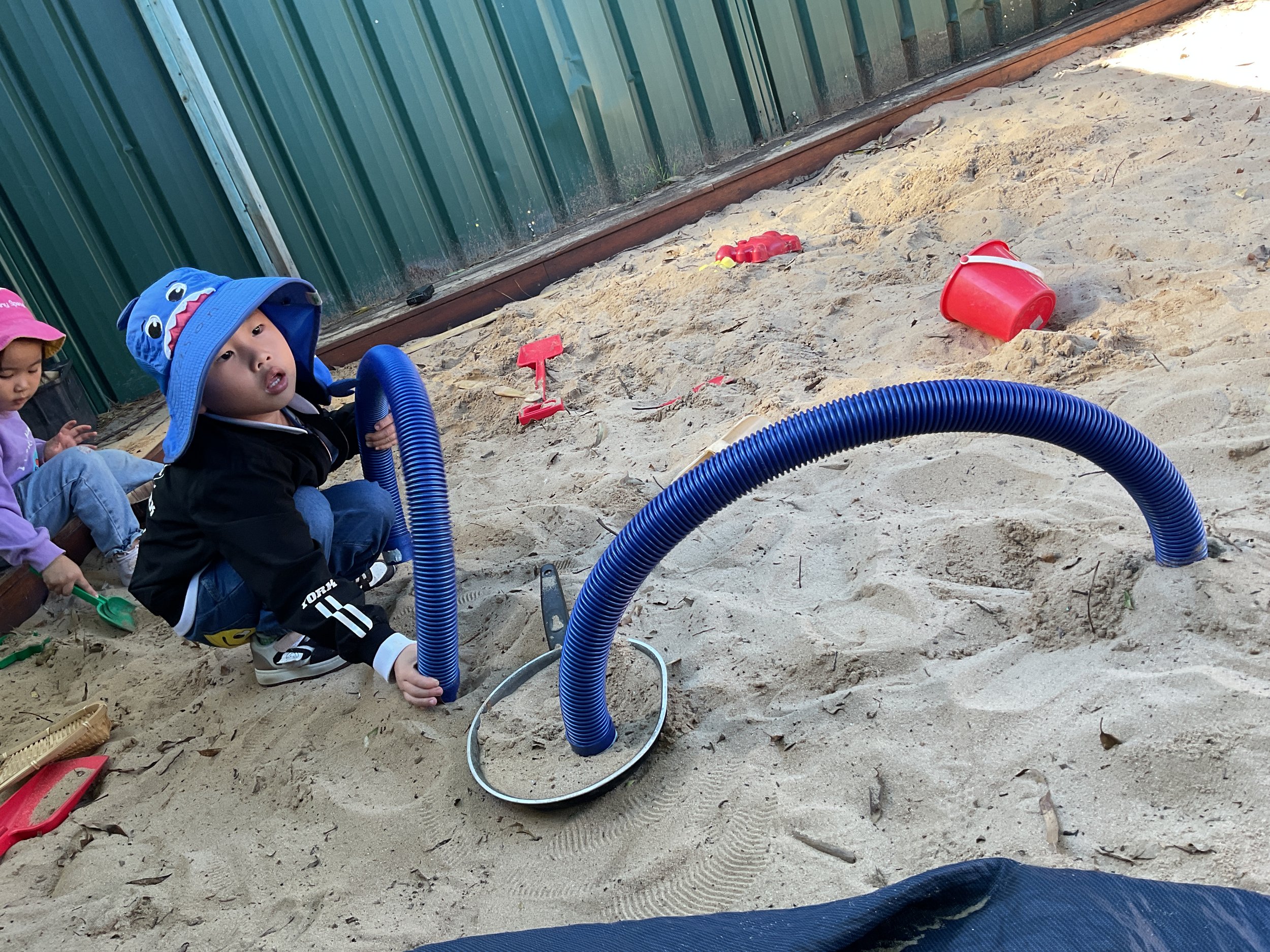
Our outdoor environments and physical setups promote gross motor skill development, coordination, and active play.
Cooking Experiences:
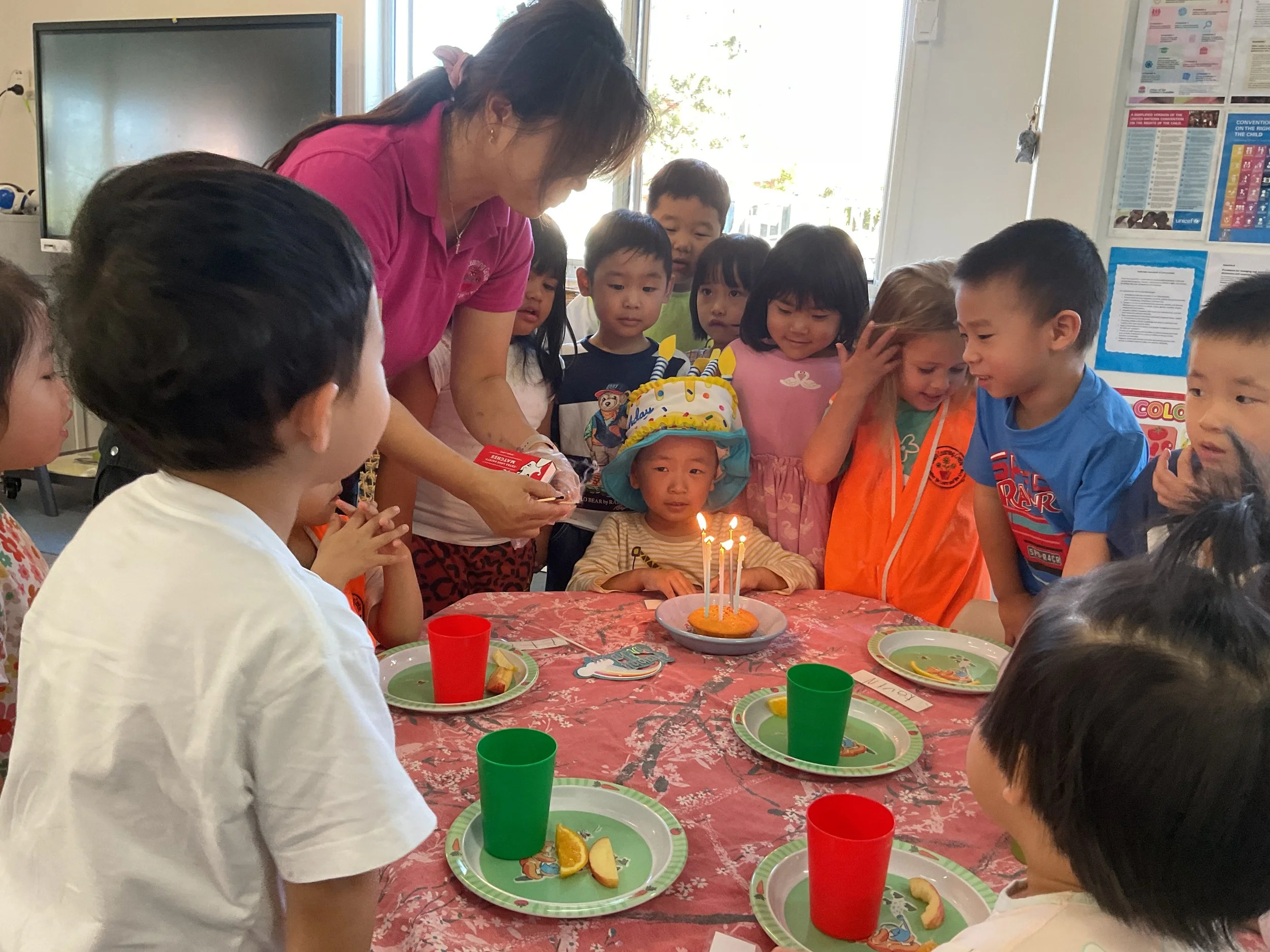
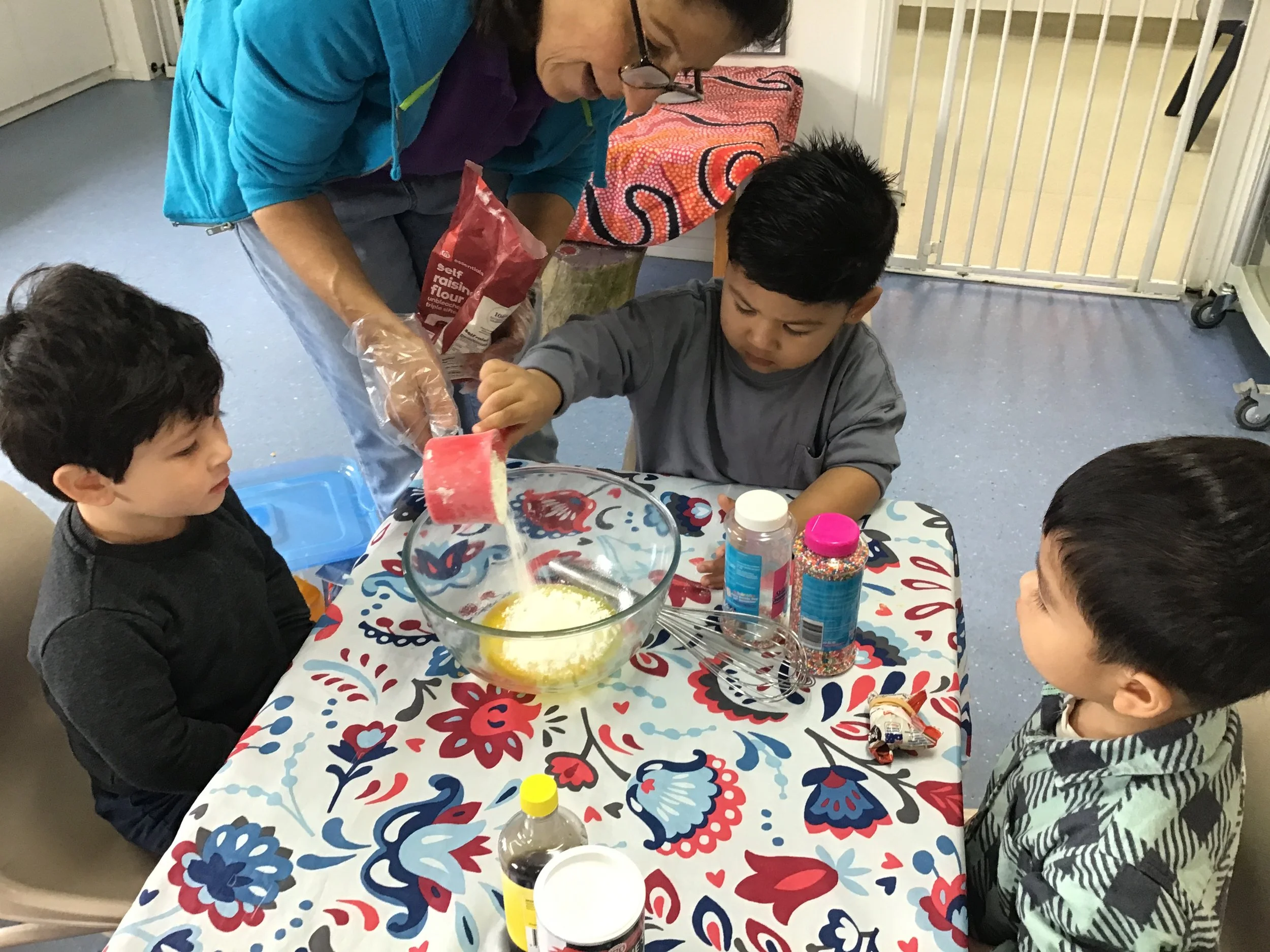
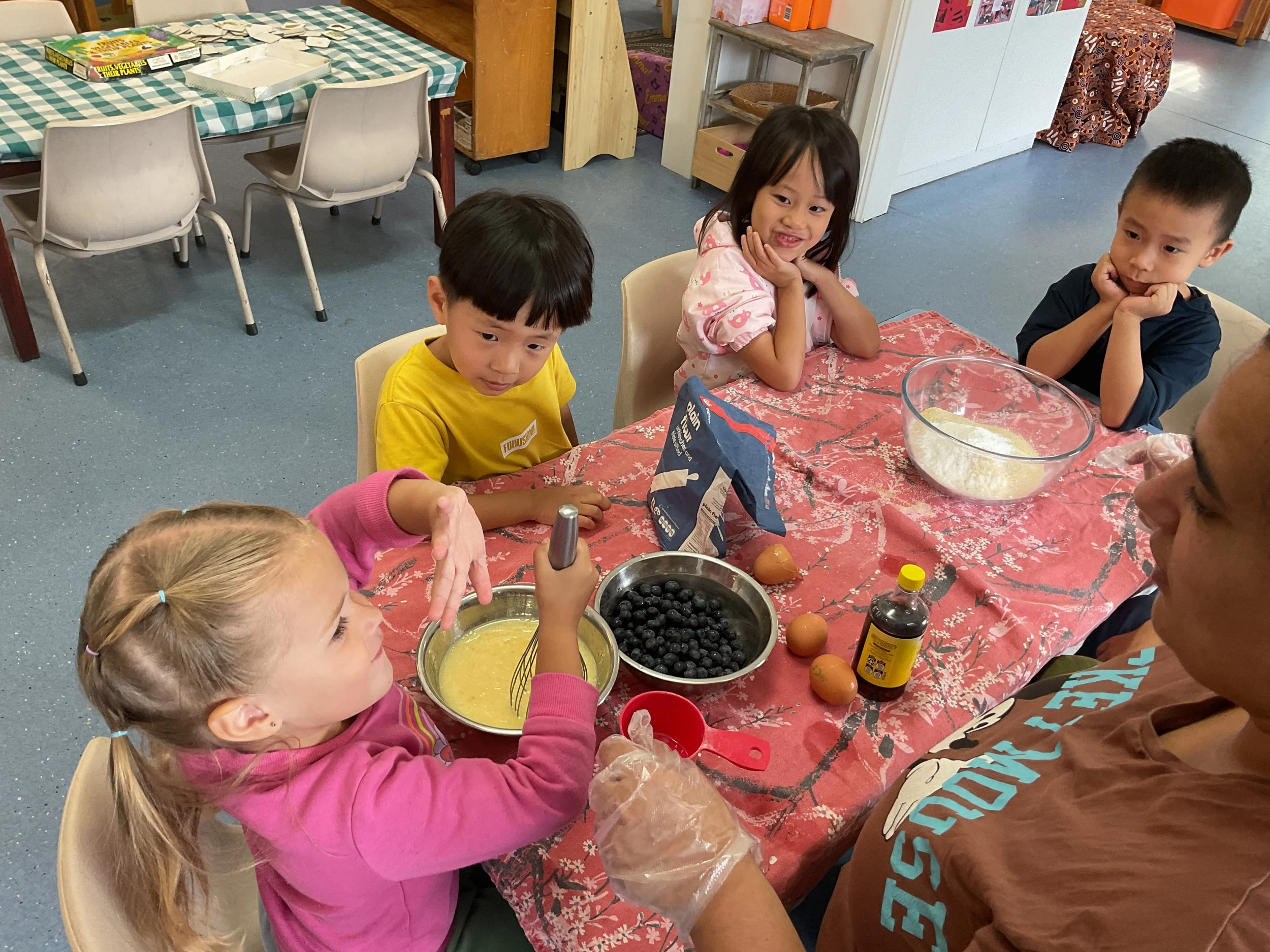
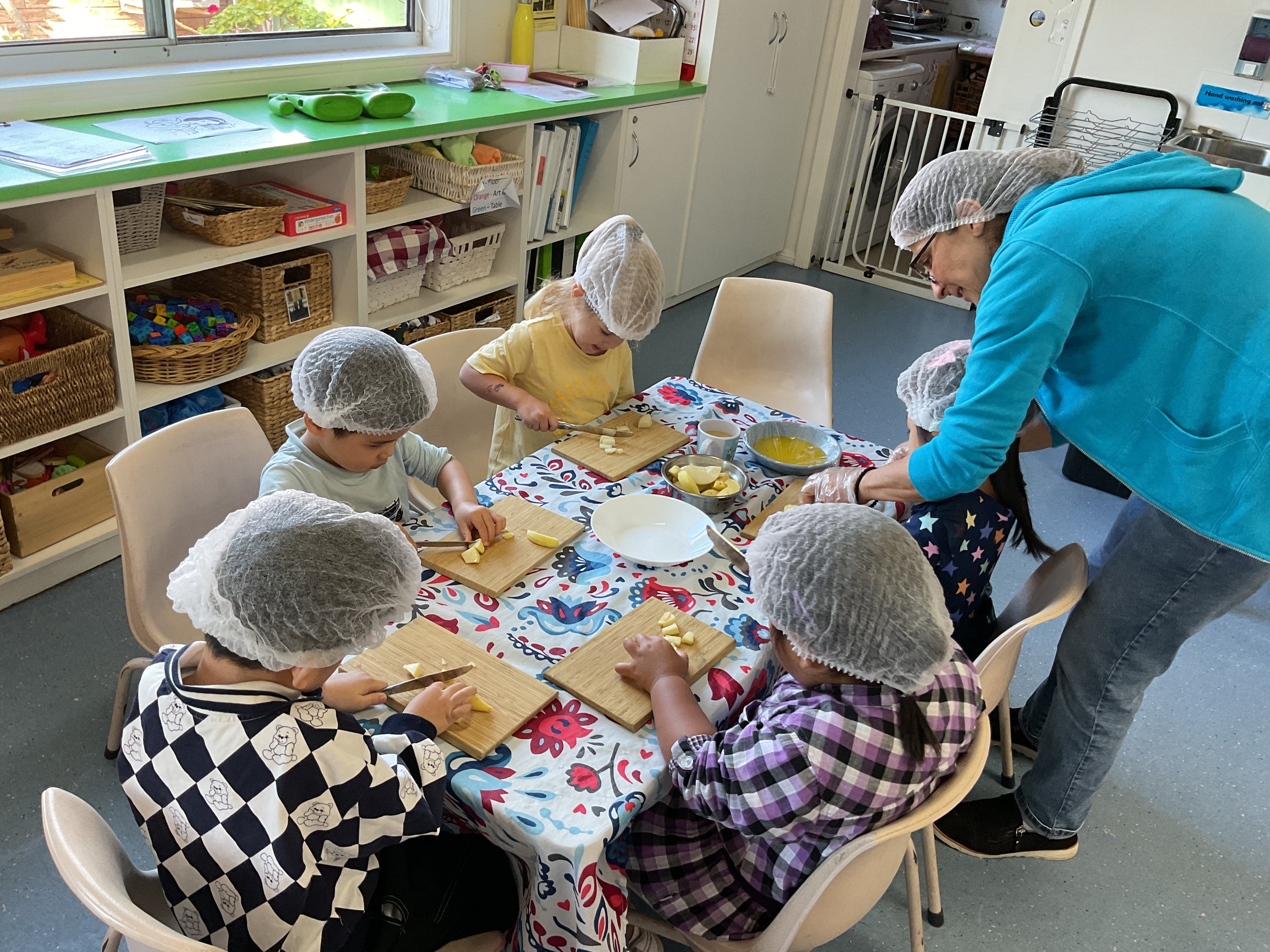
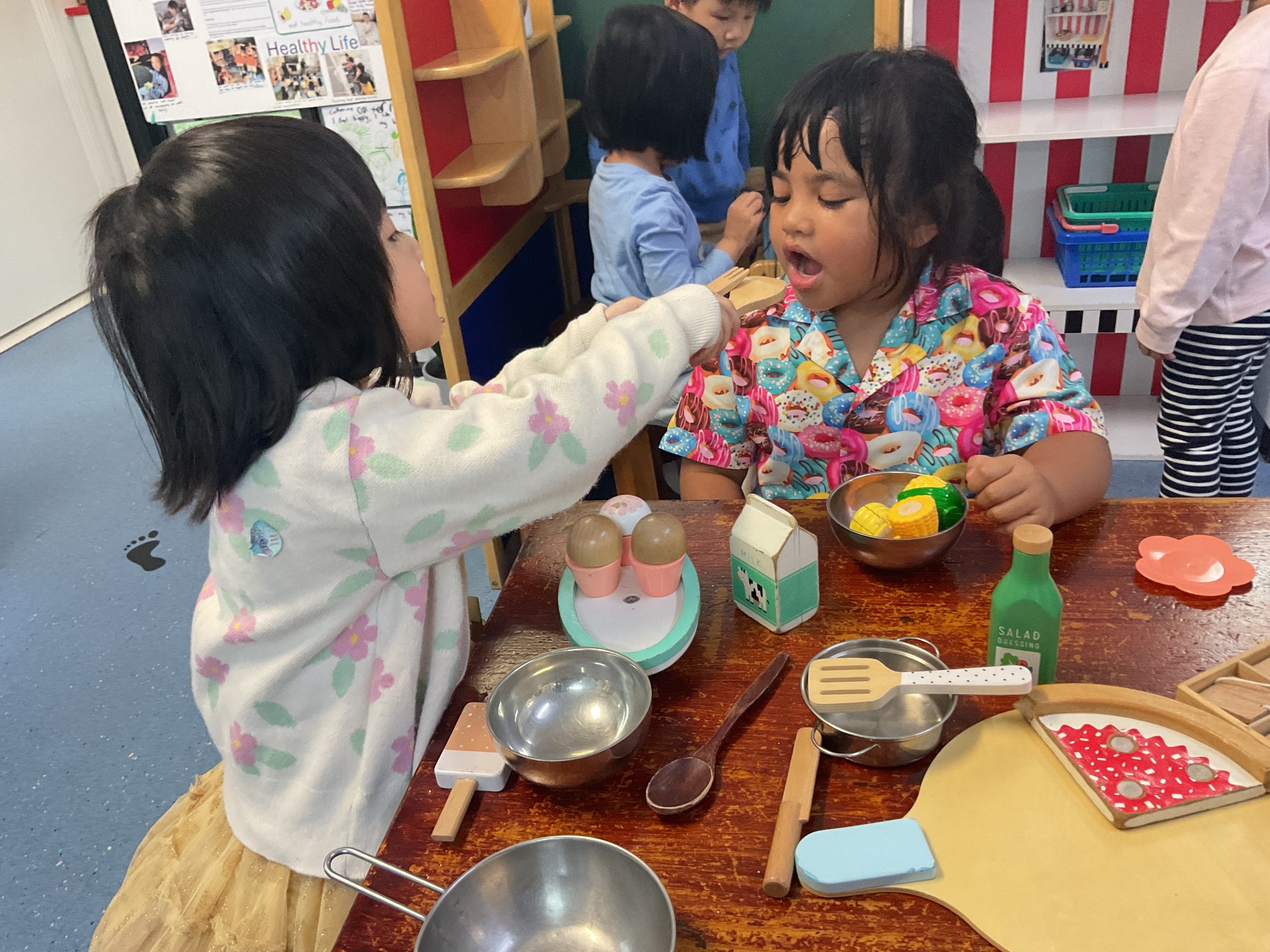
Children actively participate in menu planning and enjoy hands-on cooking experiences, including preparing daily meals and baking birthday cakes, fostering independence, responsibility, and healthy eating habits.
Social and Emotional Wellness:
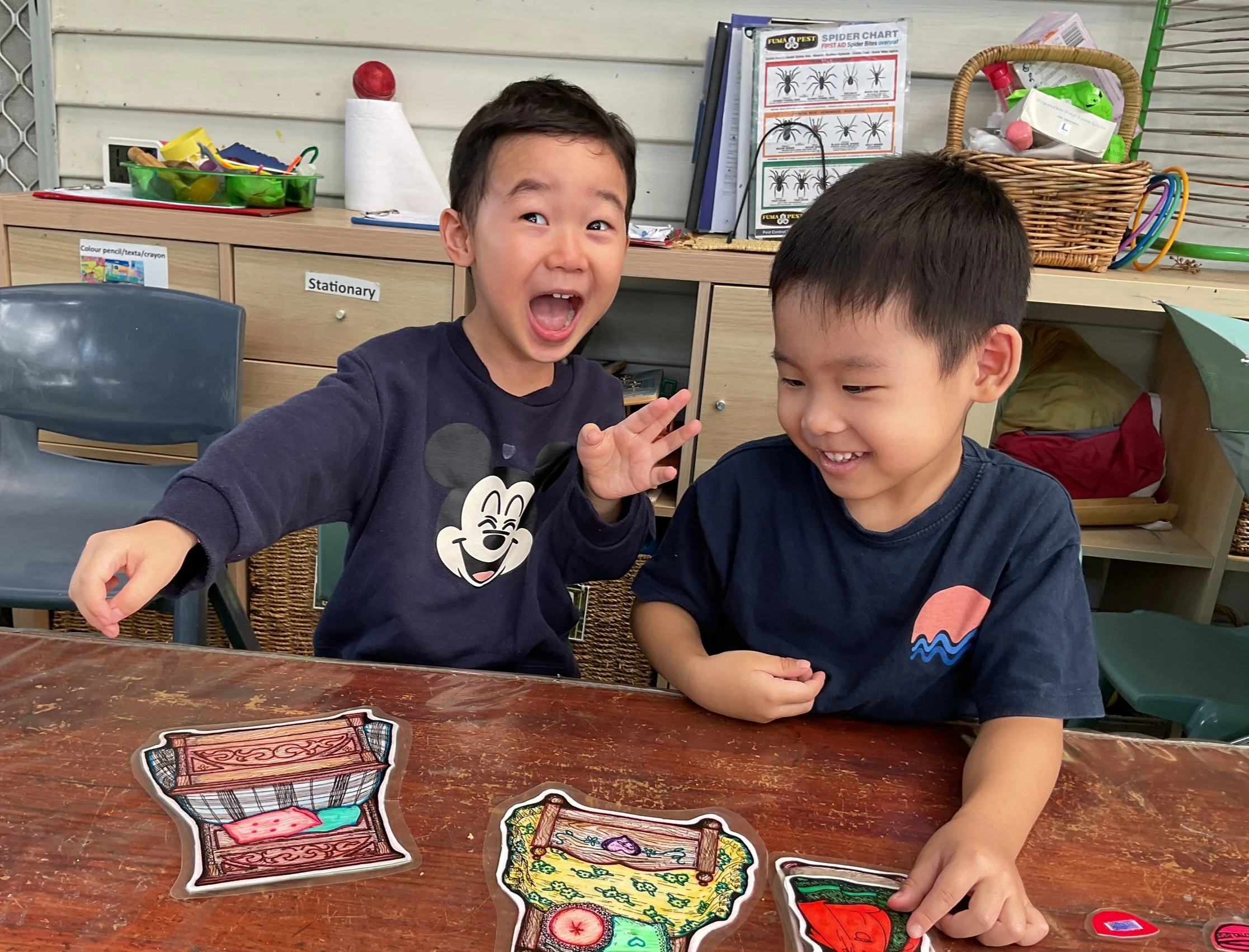
At our service, children are supported to identify, express, and regulate their emotions, and to develop positive social skills that help them build friendships, cooperate in groups, and demonstrate leadership from an early age. These are essential life skills that lay the foundation for resilience, empathy, and lifelong wellbeing.
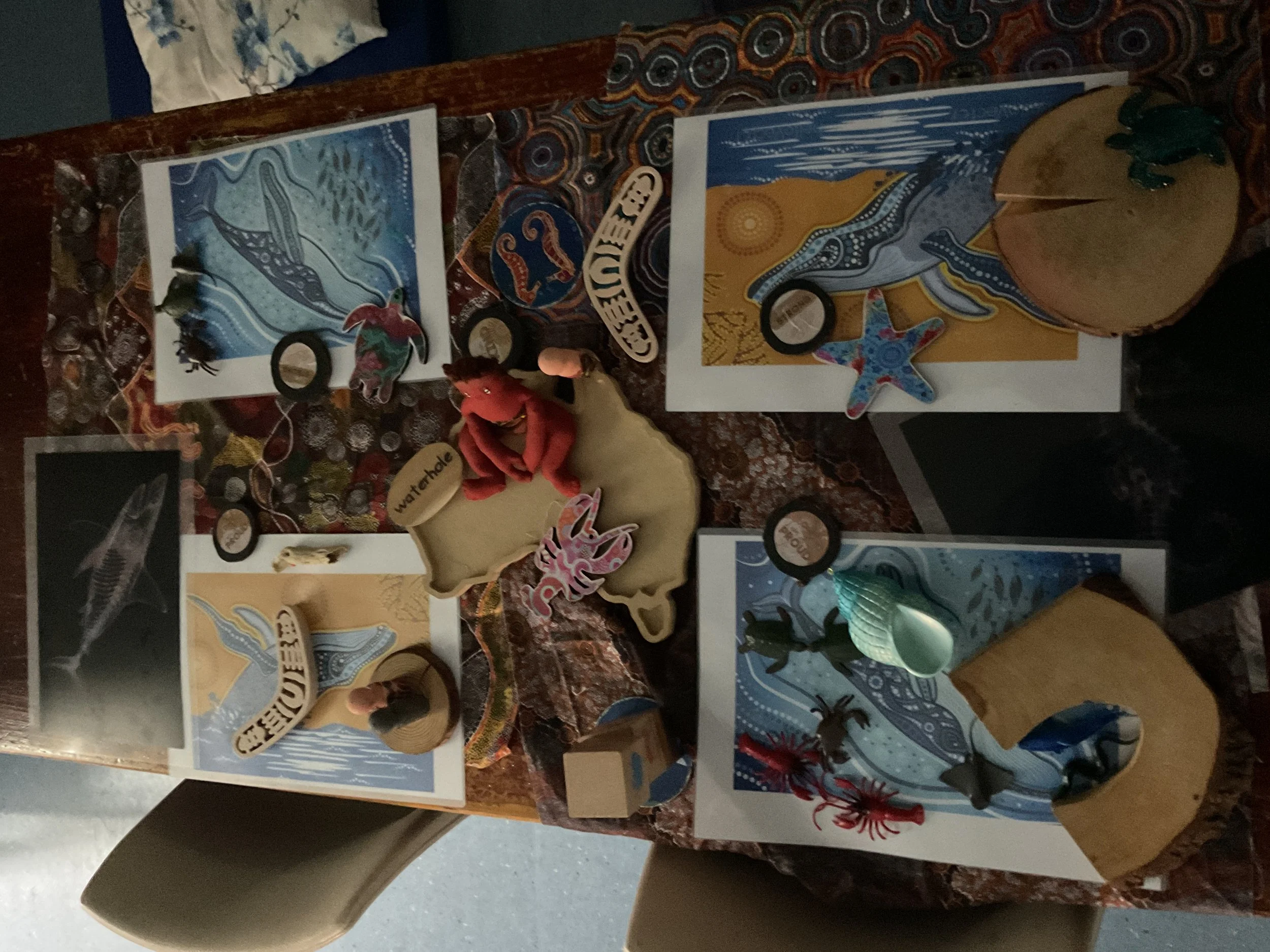
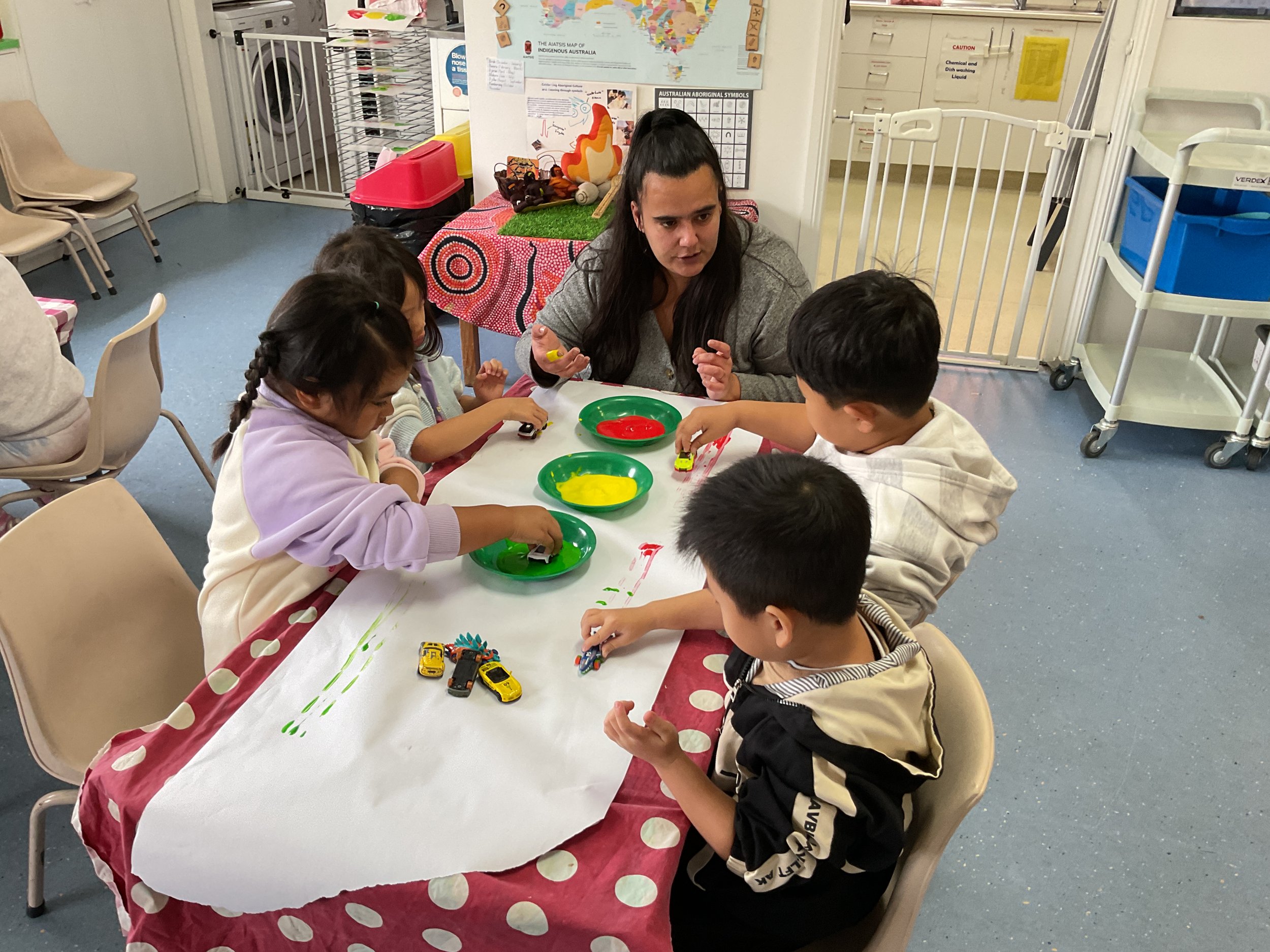
Creative Arts and Crafts:
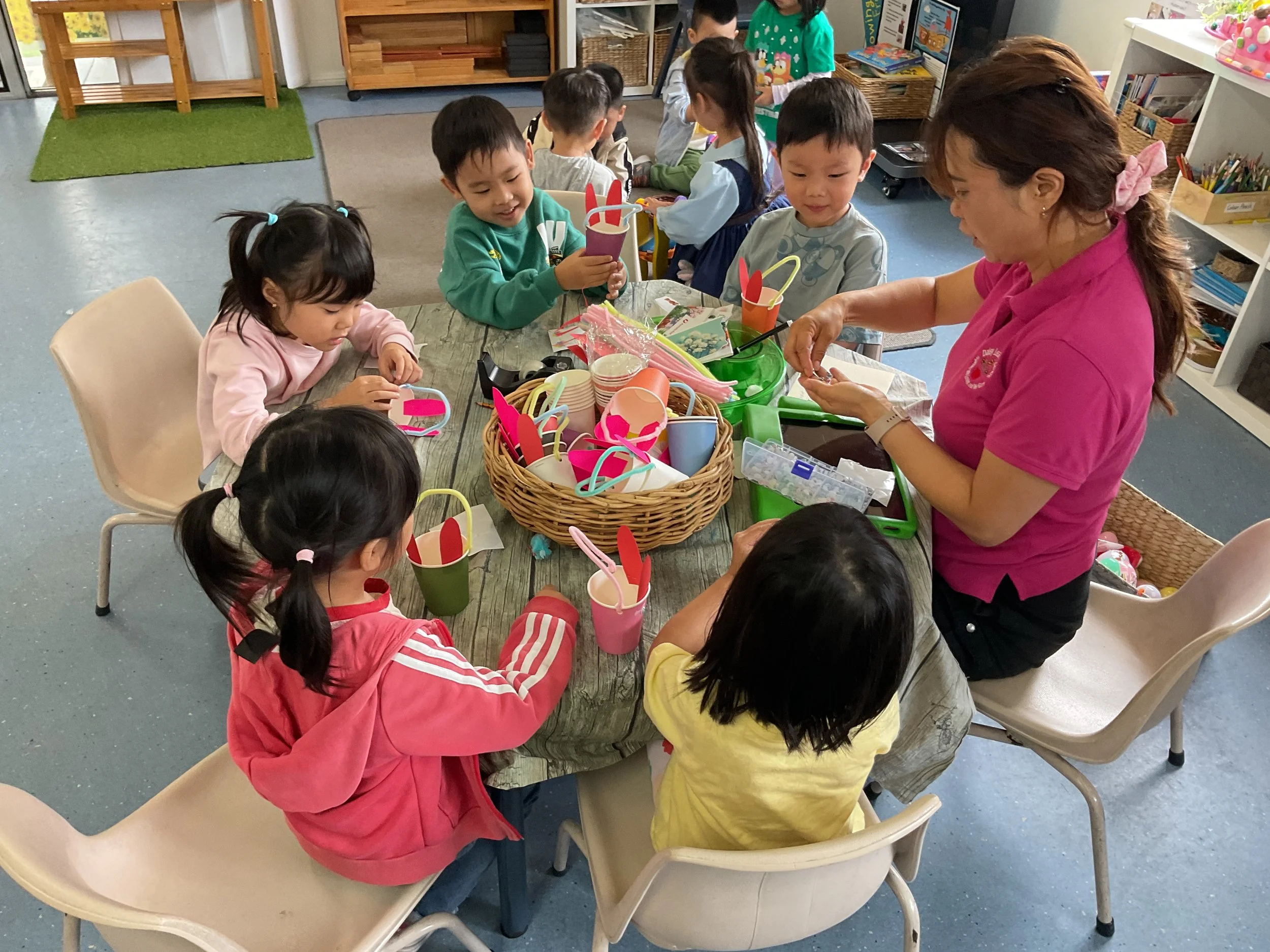
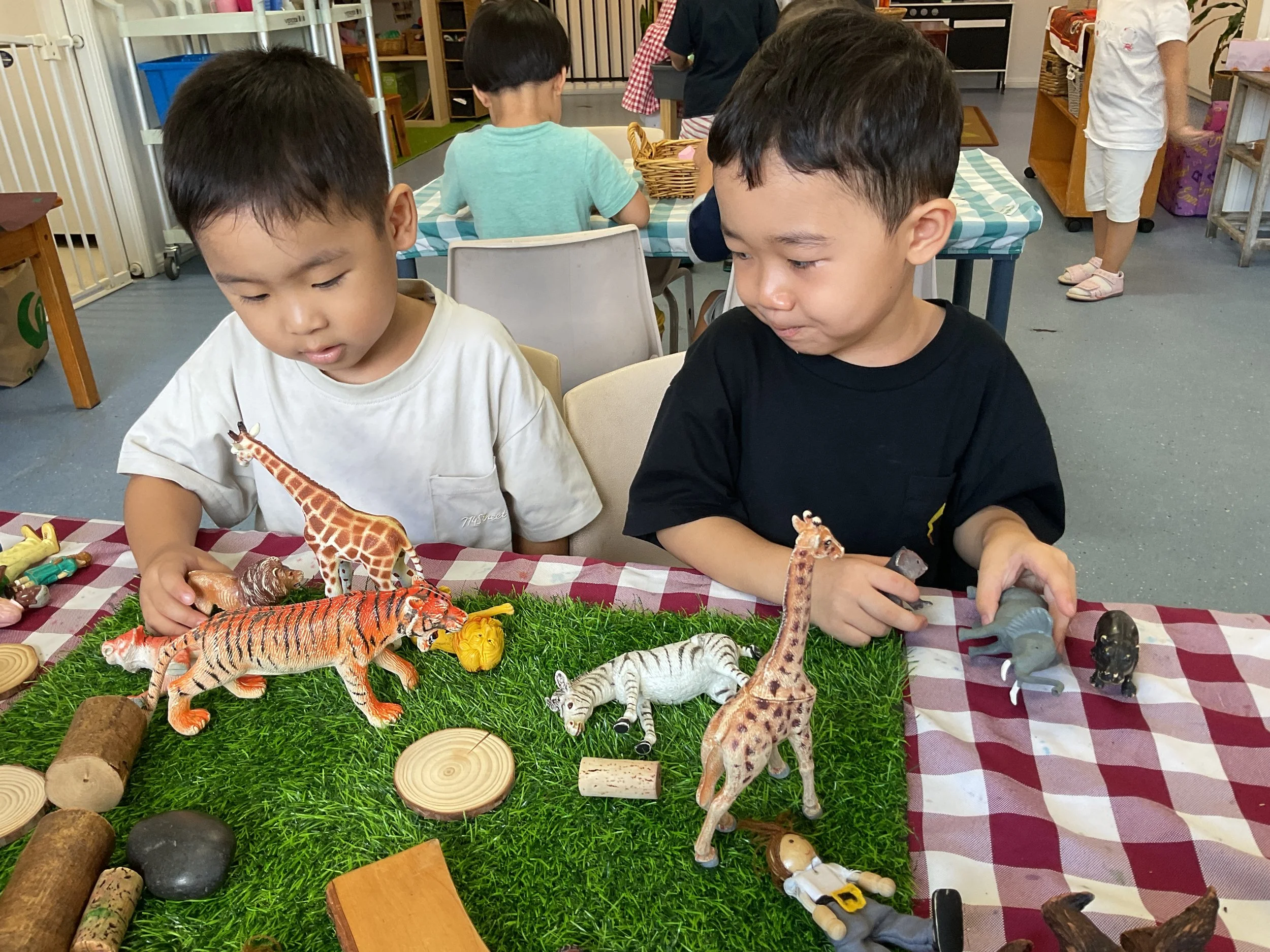
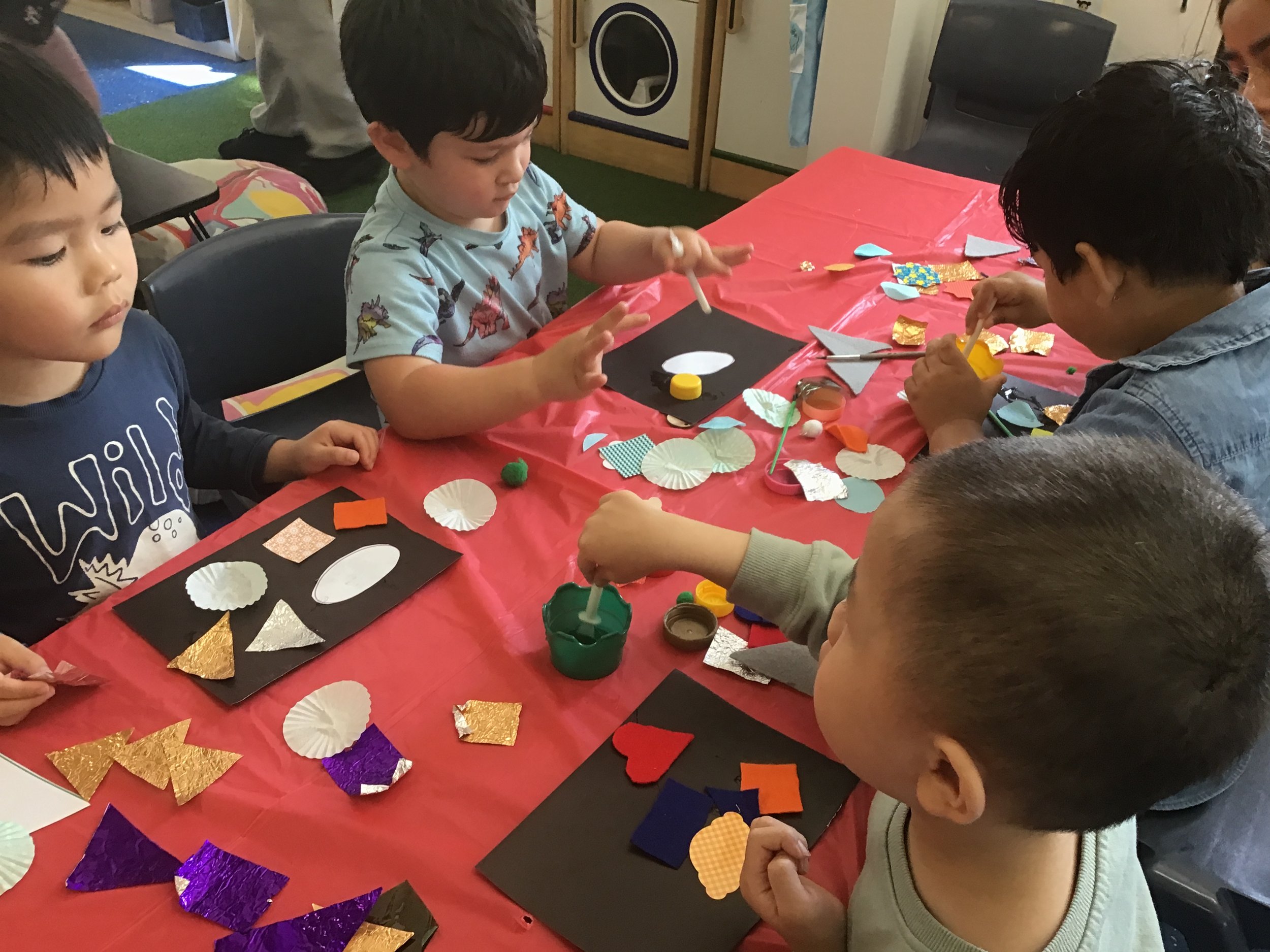
Children explore various forms of visual arts using diverse materials.
We encourage creativity and sustainability through the use of recycled and natural materials, allowing children to express their ideas freely.
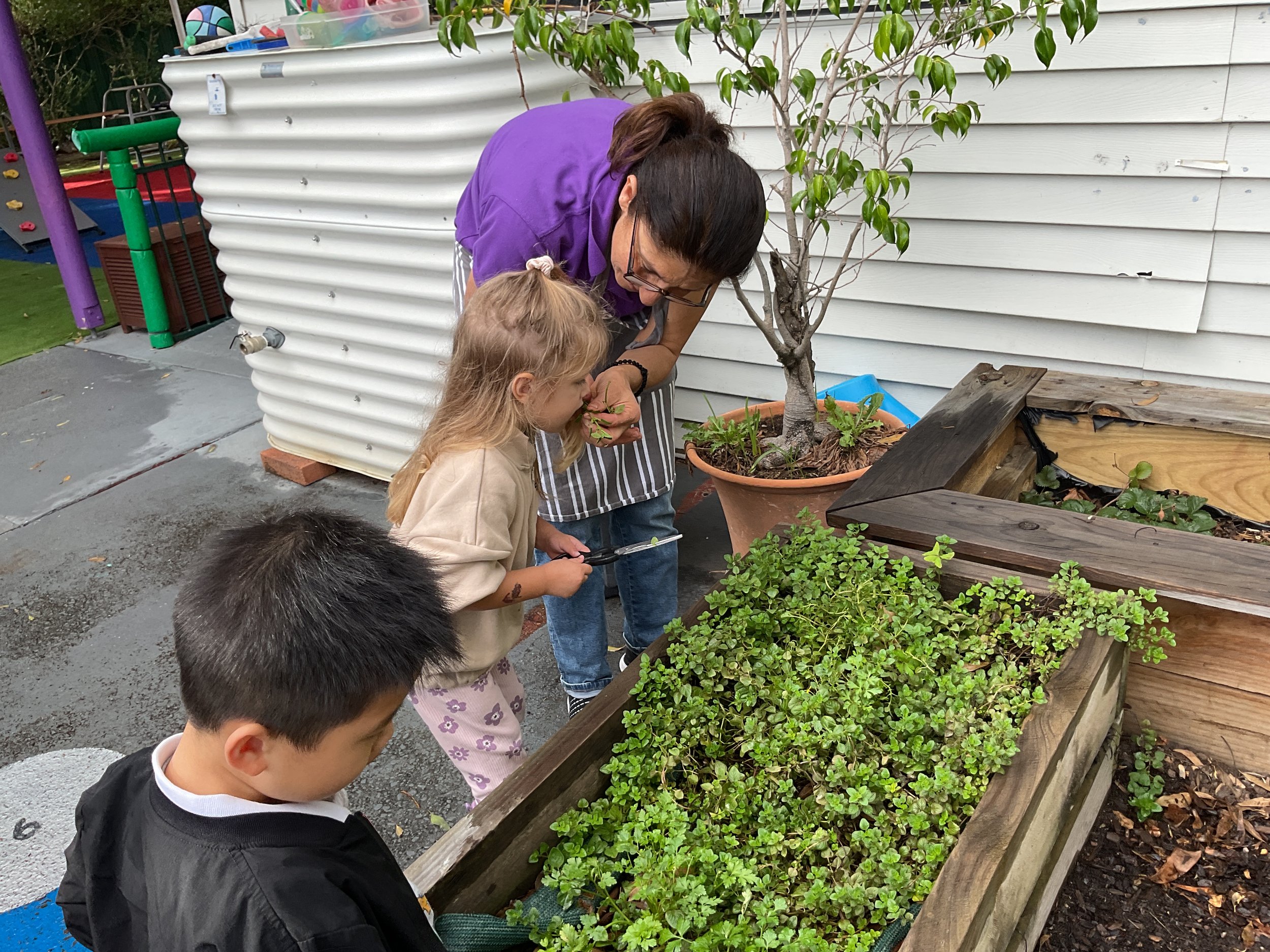
Nature Education:
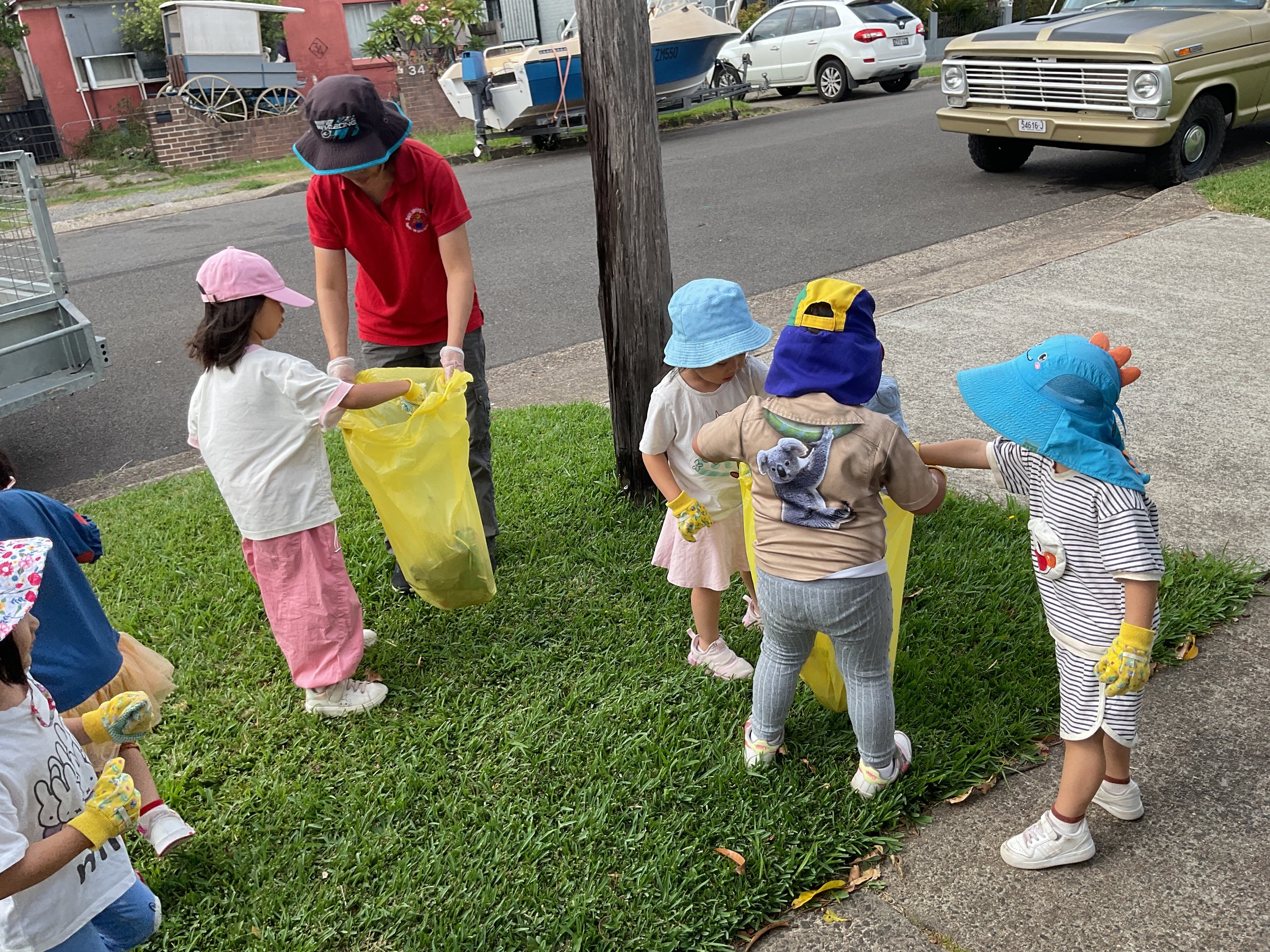
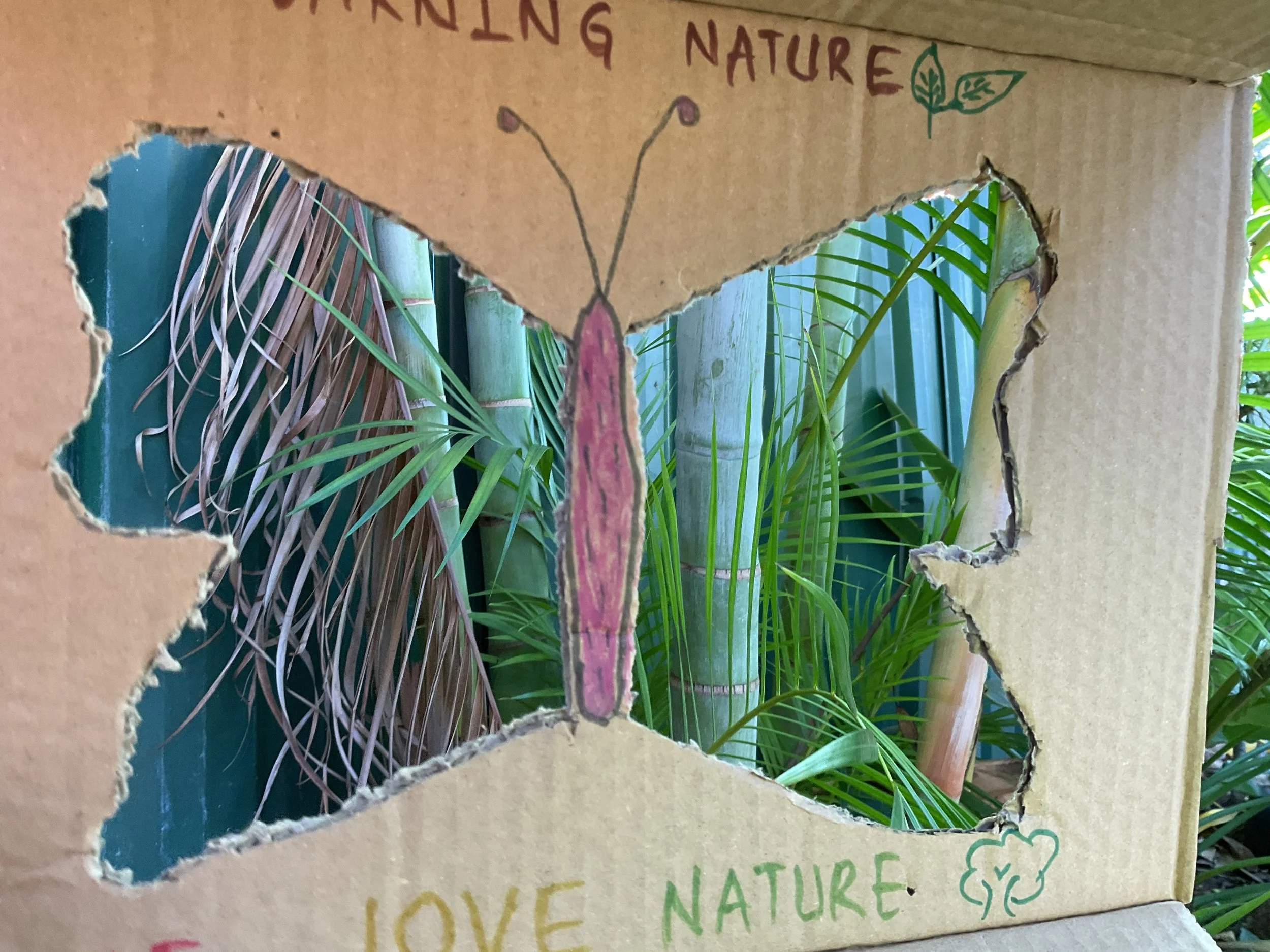
Our home-like natural environment encourages children to connect with nature, supporting holistic development—physical health, social skills, curiosity, critical thinking, and environmental awareness.
Family and Community Engagement:
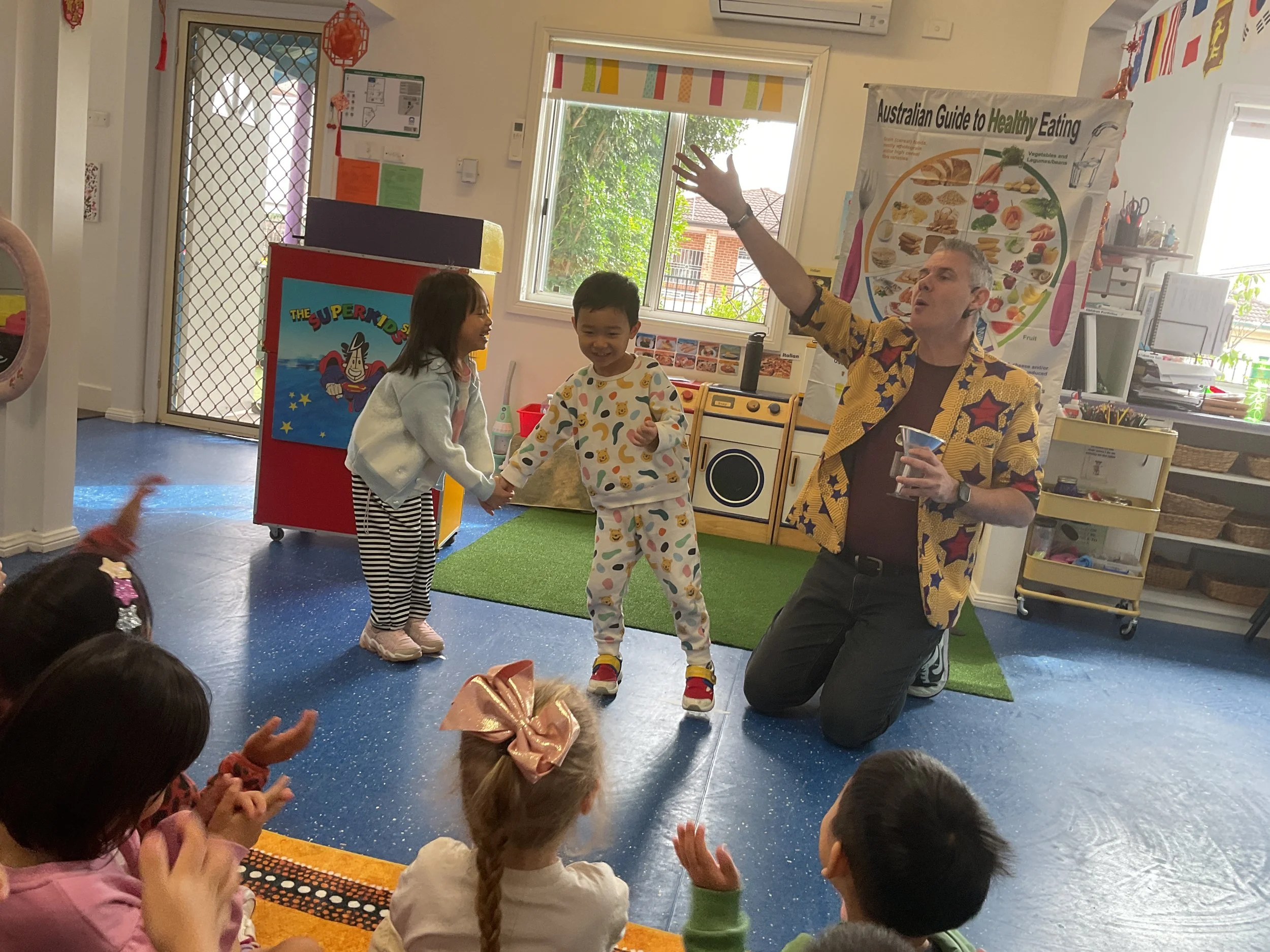
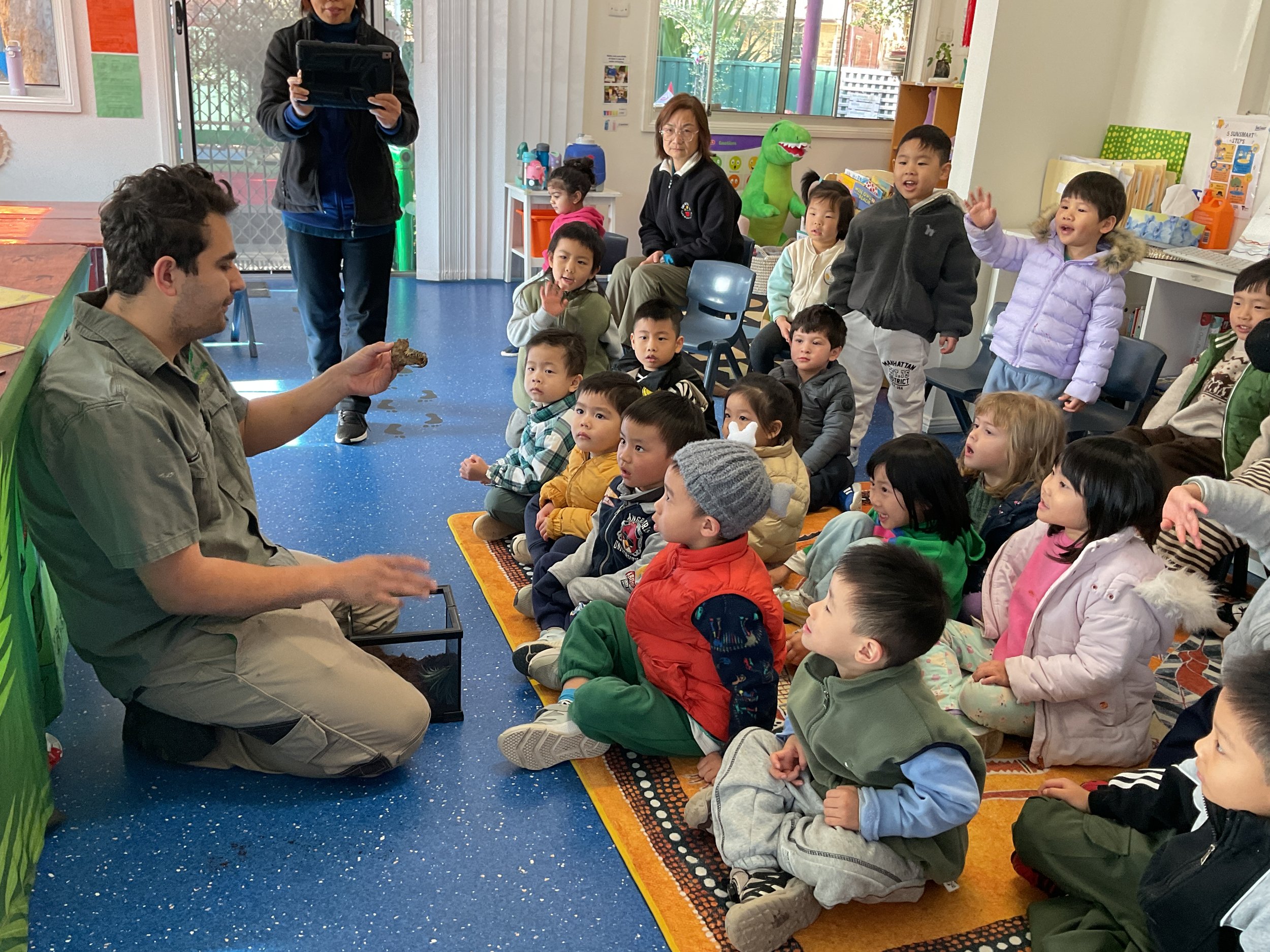
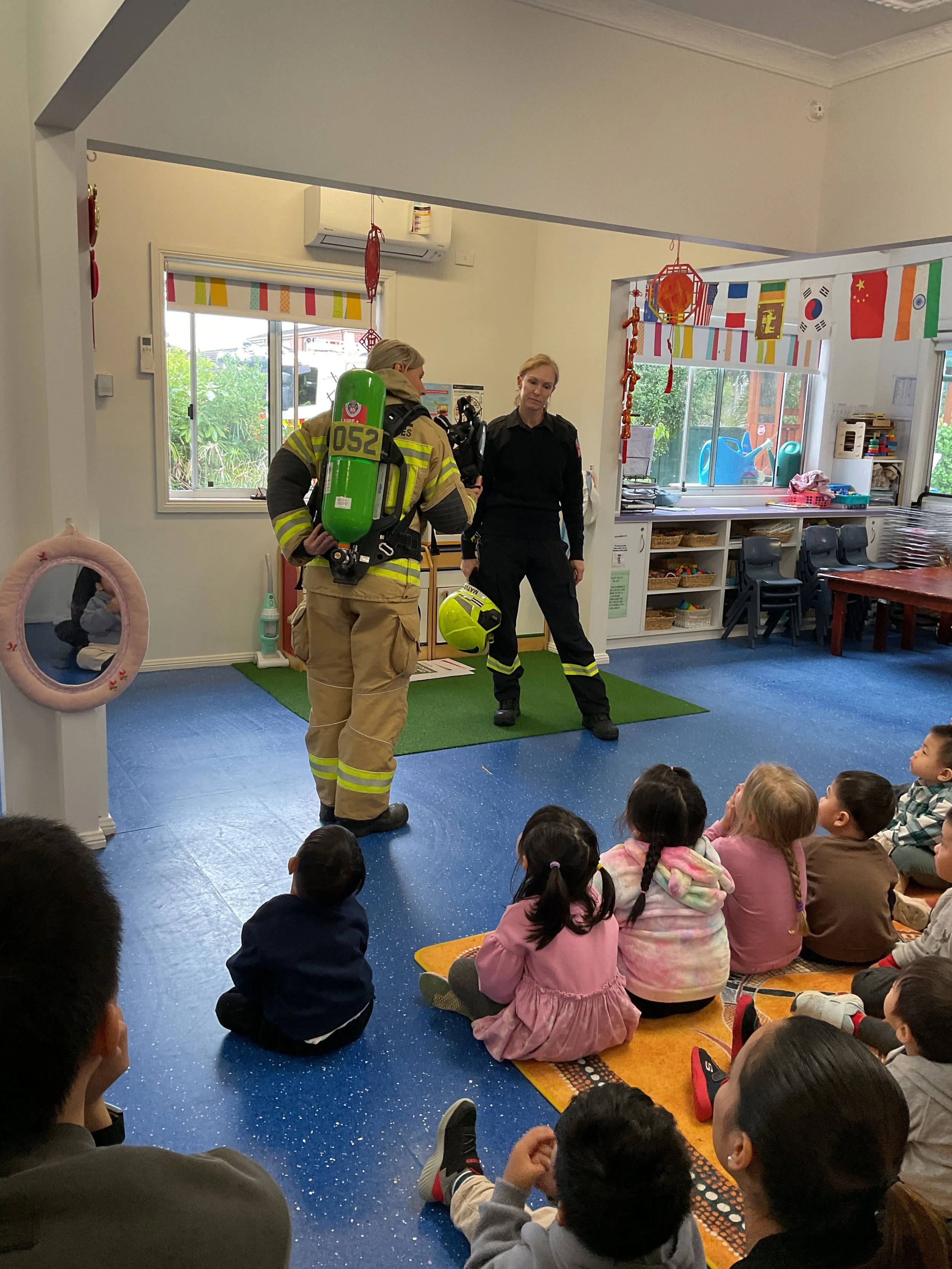
We value strong partnerships with families and the community. Each month, we host incursions and excursions that extend children’s learning and support school readiness. These include visits to local banks, schools, libraries, shops, and participation in community events such as food festivals and NAIDOC Week.
Our centre also organises community-focused celebrations, including:
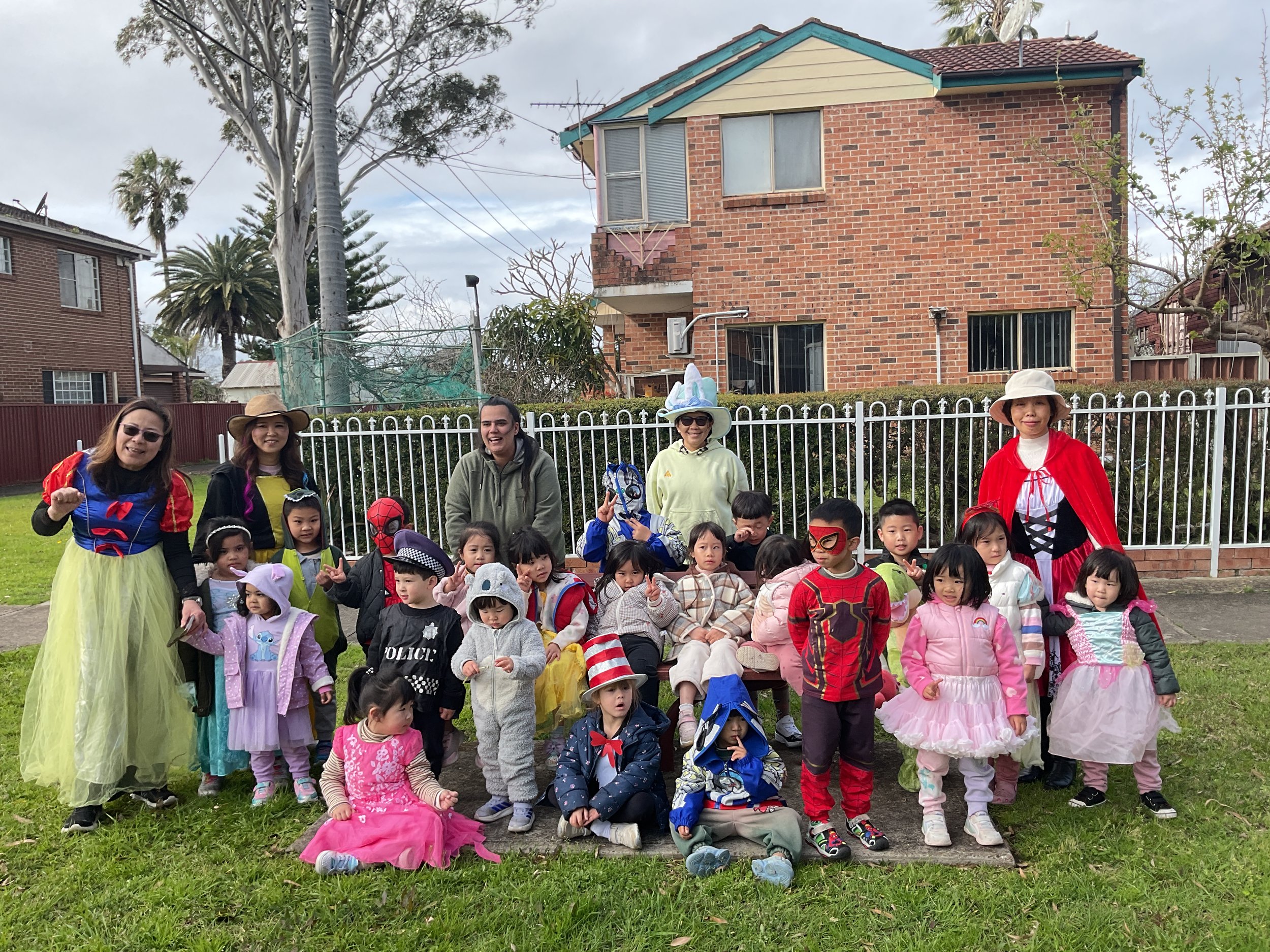
Easter and Book Week Parades
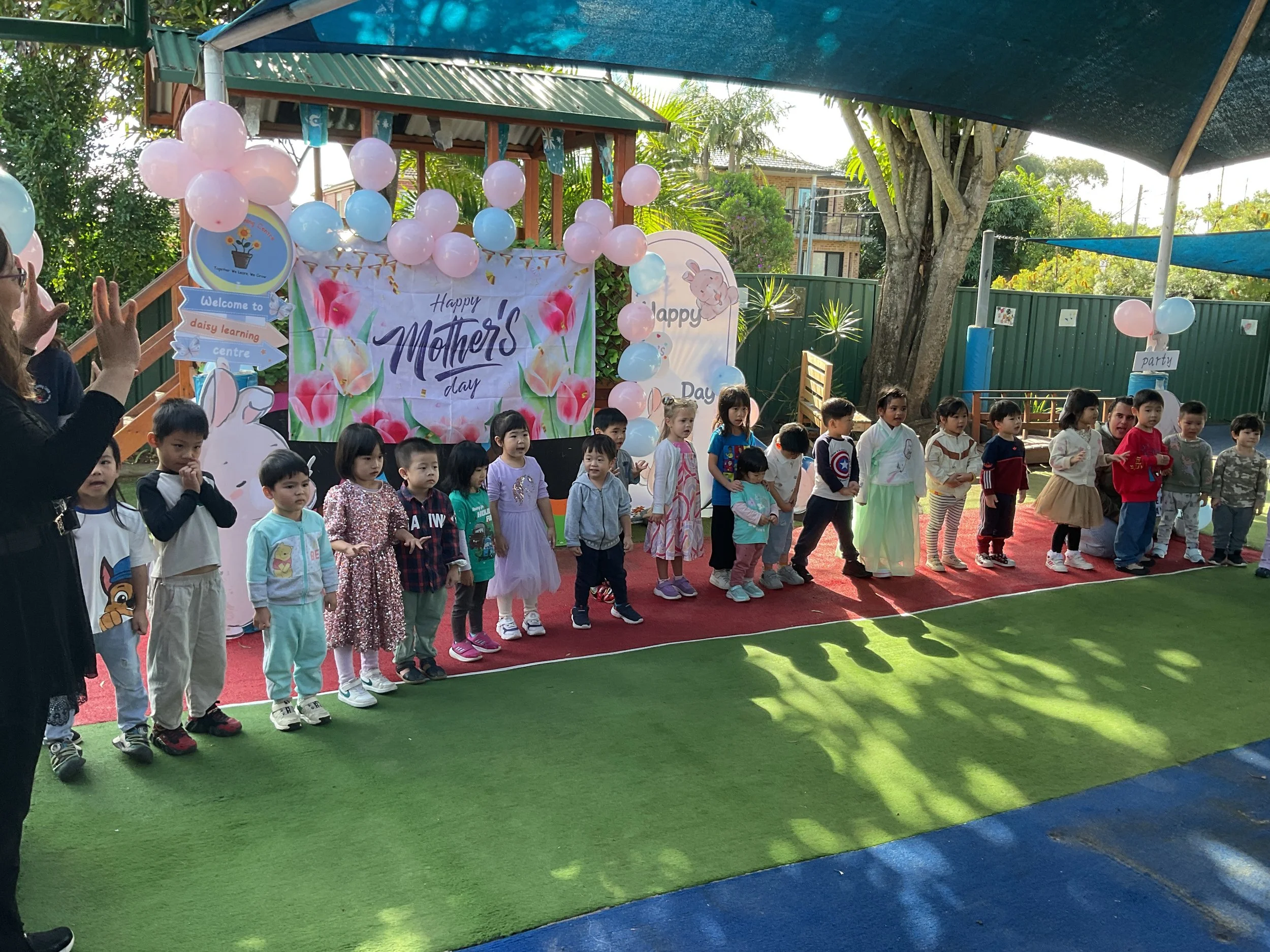
Mother’s Day and Family BBQ events
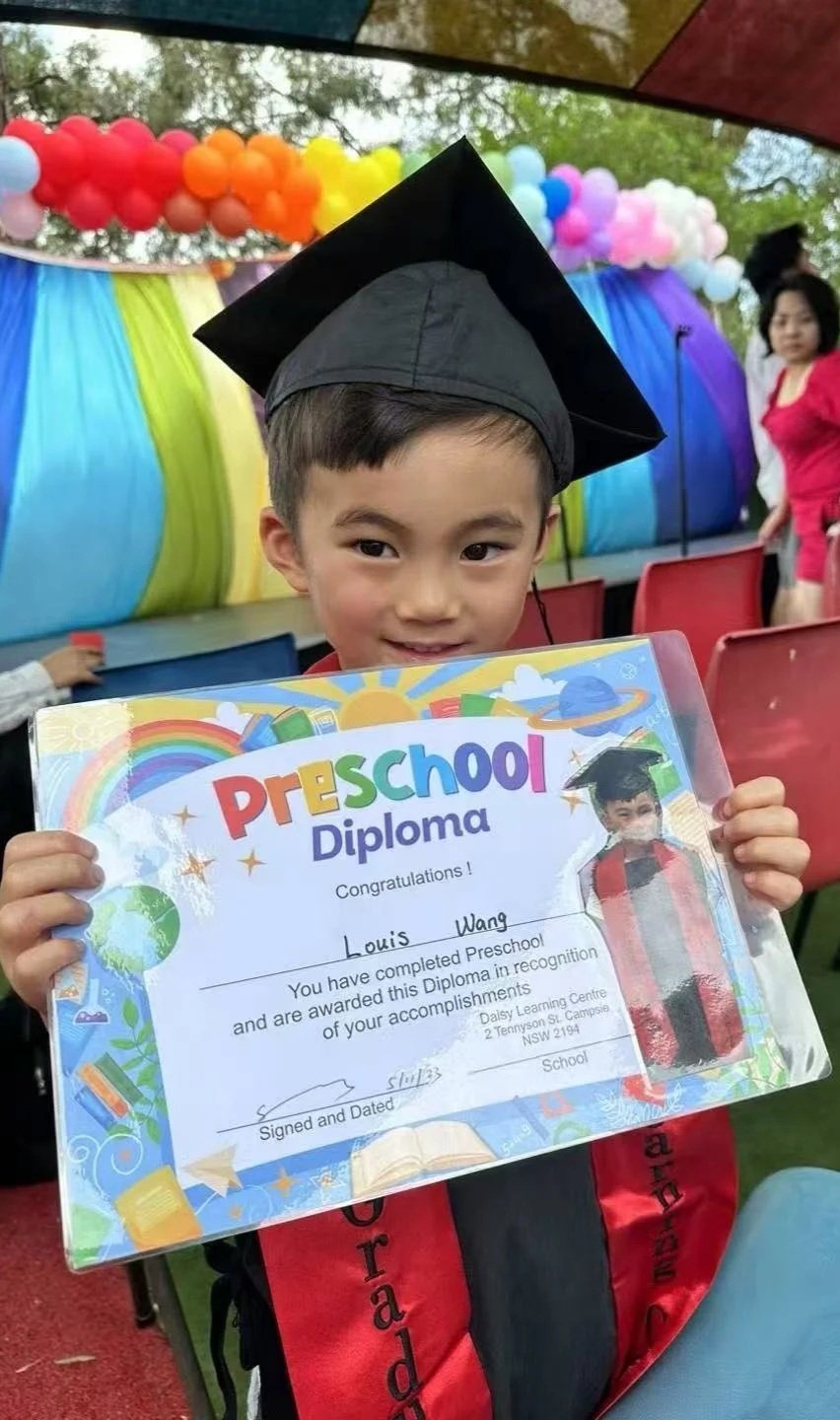
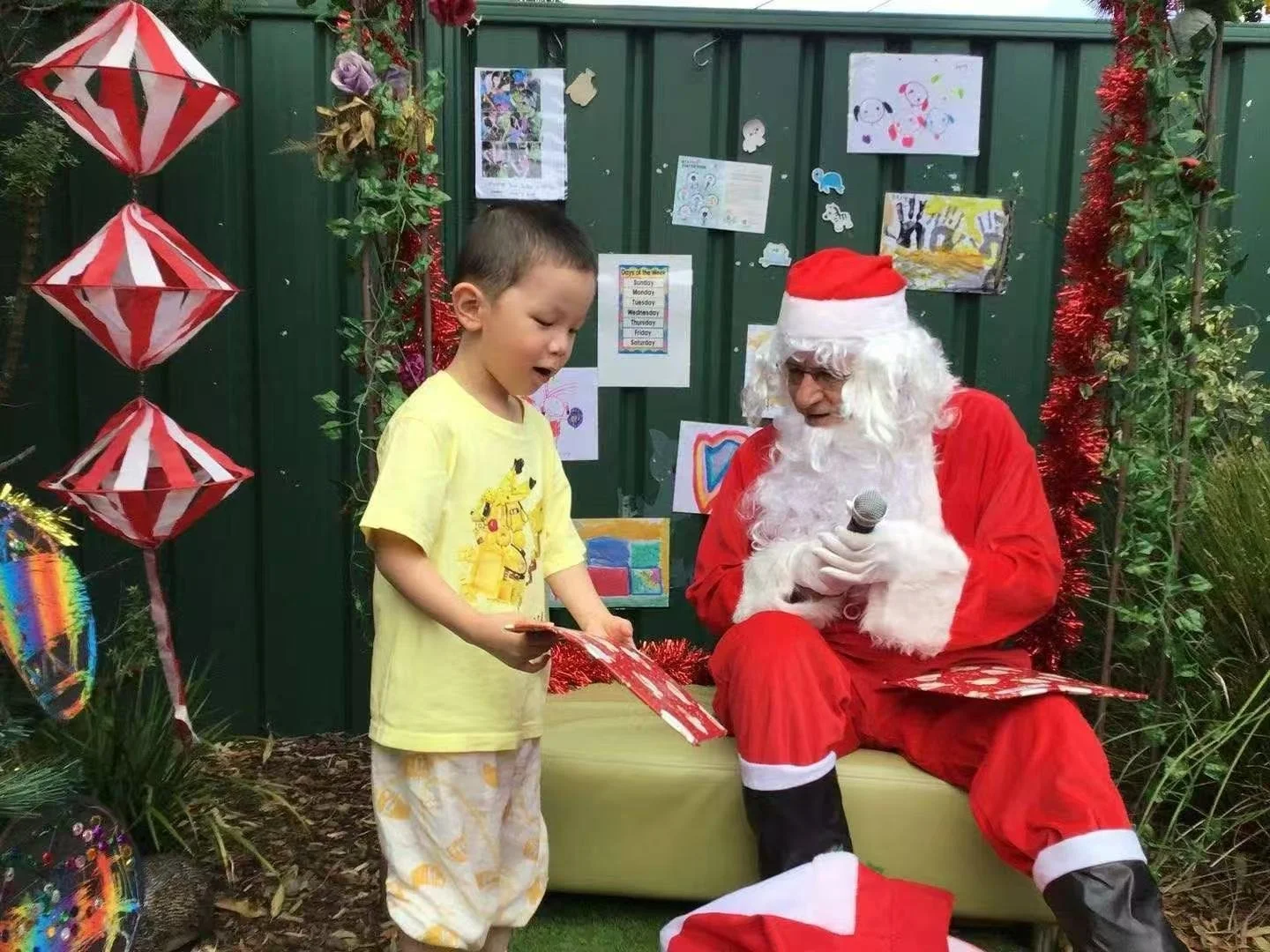
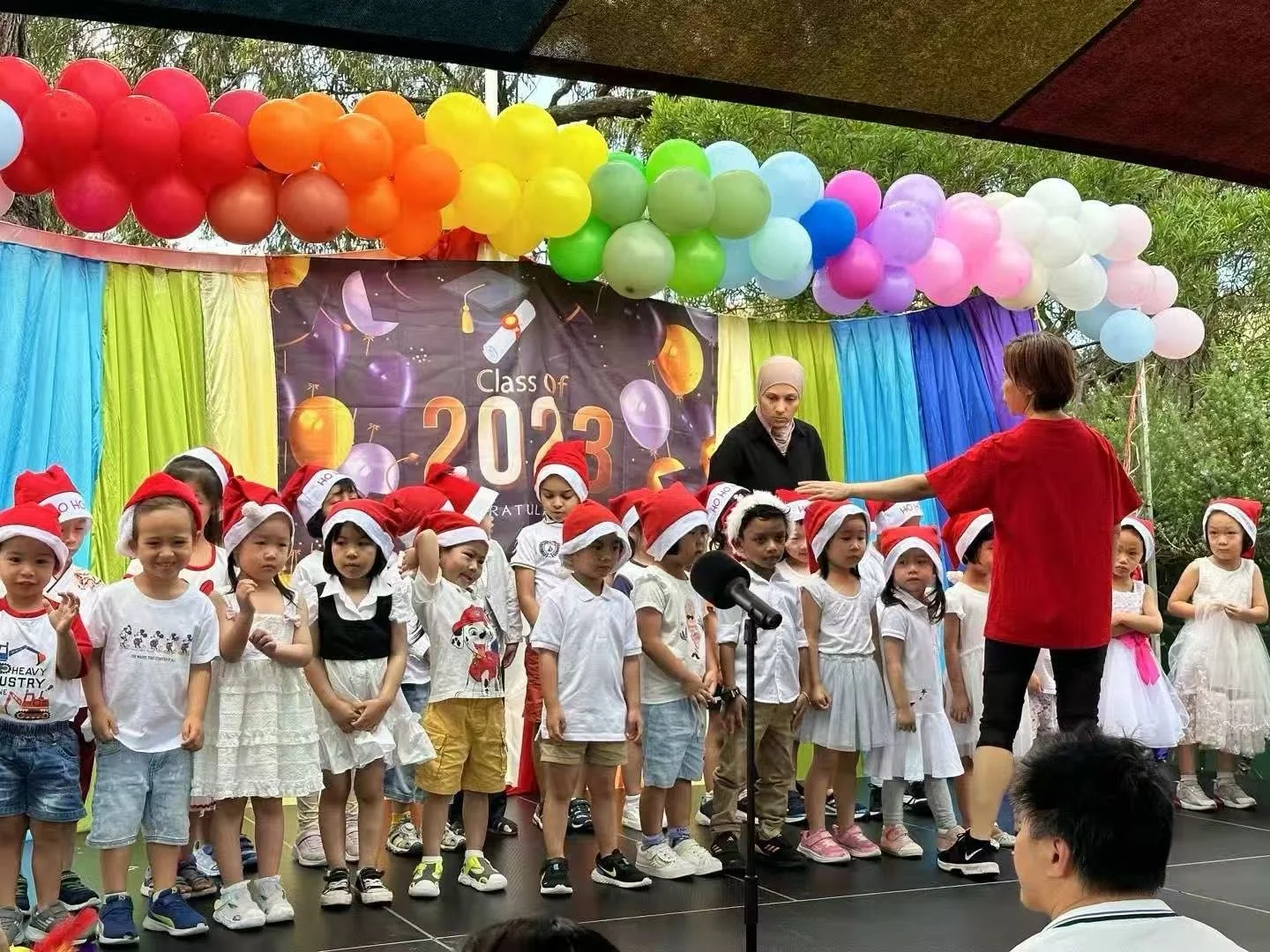
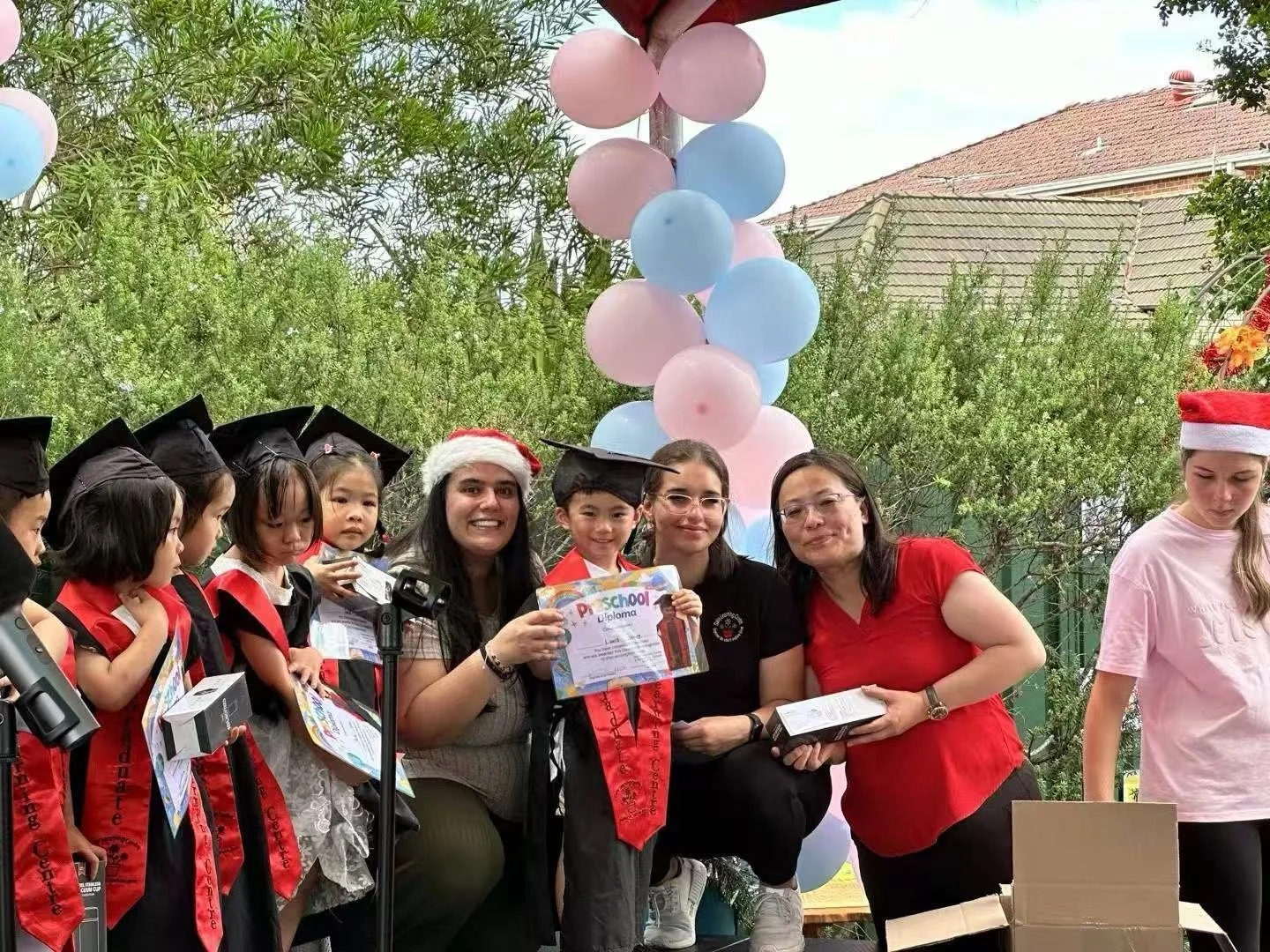
End of Year Concerts and Graduation Ceremonies
Visits to the local Anzac Memorial Clock Tower to show respect and learn about history
We support our families through:
Parent information nights
Individual child progress interviews /meetings to share learning achievements and set future goals
Parenting and language development workshops to strengthen families’ capacity as primary caregivers and educators.